Driveway Gravel: Surfacing Missouri Lanes, Pads and Aprons
Seasonal rain in Missouri can reveal weak ground below an access drive. Driveway Gravel packs tightly under traffic for a durable, drained stone surface.
- Size: 3/4 inch
- Grading: Graded mix of stone sizes
- Type: Crushed stone
From $393 for 1 ton, delivery included (larger loads cost significantly less per ton)
Free delivery included
Free delivery anywhere in Missouri
Pick a delivery date
Weekday delivery, earliest Oct 30
“Ordered driveway gravel from the team and the driver was friendly, showed up when expected, and was really careful about where he placed it.”
Rob R. · Verified Buyer
Get a Free Quote
Fill out the form and our sales team will get back to you within the hour.
Size and Grading
- Size
- 3/4 inch
- Grading
- Graded mix of stone sizes
- Type
- Crushed stone
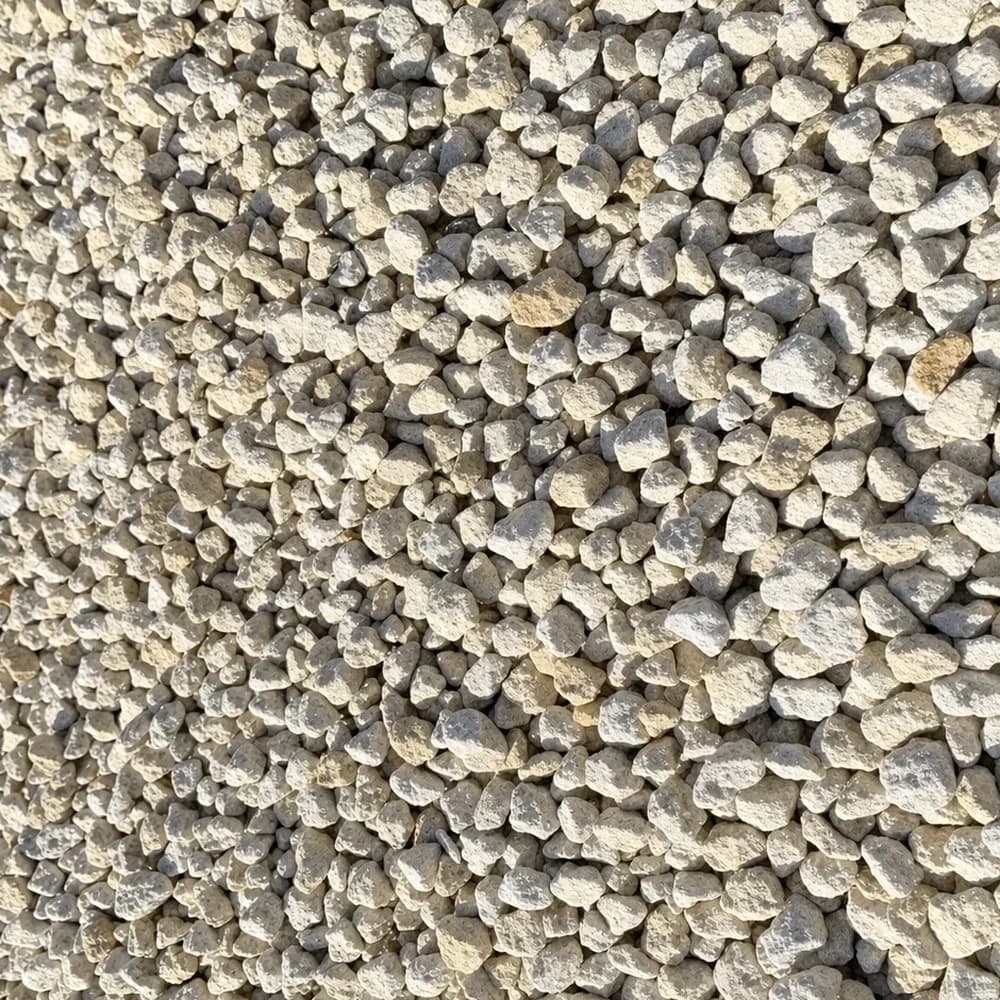
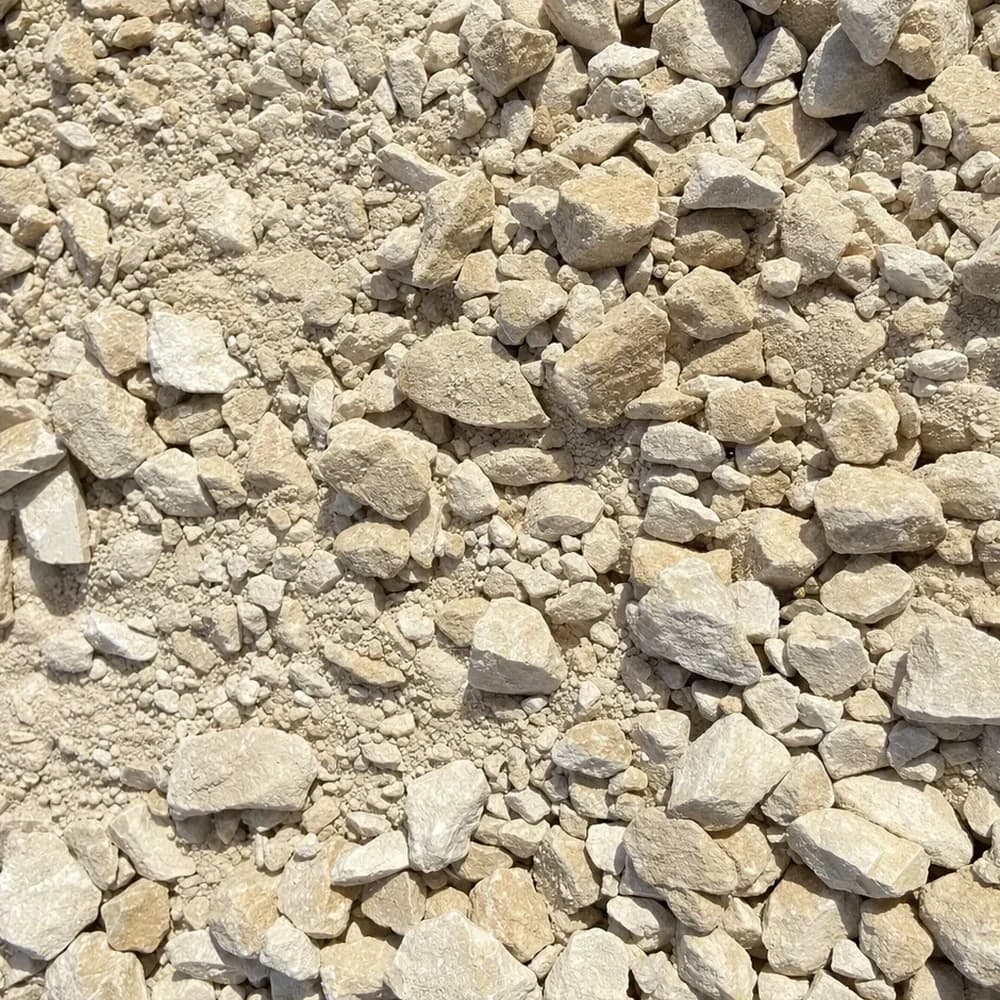
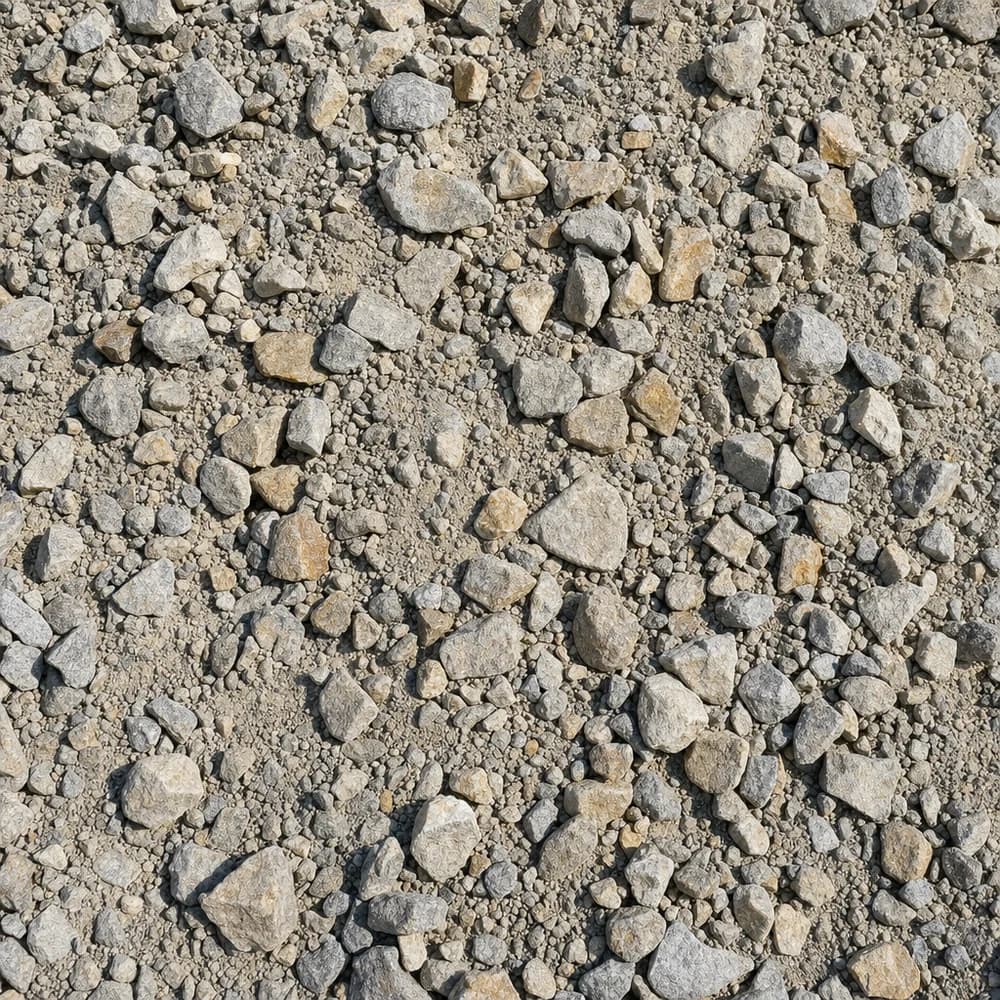
Most people reading this have already settled on driveway gravel. The open question is whether the load coming off the truck is the whole job or only the top of it, and in Missouri that answer changes inside a mile. On a cherty Ozark ridge you are often laying stone over ground that is already firm, so a surfacing course does the work on its own. Drop down onto the claypan flats of the northeast or into Bootheel silt and the same load, at the same depth, will disappear into soft ground by the second wet spring. Driveway gravel is a 3/4 inch graded mix of crushed stone sizes, built to lock up under tires and let rain through rather than hold it on the surface. What it cannot do is make up for a subgrade that was never dealt with.
Topping a tired lane against building one from the ground up
Two orders hide behind the same search. If you have a lane that drains, holds its shape and has simply gone thin and rutted, you want a resurfacing load: two to three inches, bladed out, and the ruts cut down rather than filled. If the lane pumps mud up through the stone after rain, or you are cutting a drive where there was only grass, you are building a structure, and surfacing stone is the last course of it rather than the first.
That second job wants a compacted course of Base Rock or Crusher Run below, with this material over the top. Laying six inches of surfacing gravel straight onto soft clay costs the same as laying three over a proper base and lasts a fraction as long, because the stone spreads sideways into ground that will not push back.
What a 3/4 inch graded mix does on chert, claypan and river silt
The graded mix matters more than the top size. A spread of sizes down through the fines means the pieces wedge against each other and the dust fills what is left, so the layer knits instead of rolling. That is why a rounded stone never works as a drive surface and this does.
On cherty clay over limestone or dolomite the bottom is usually sound, and the surface knits in a few passes. Sinkhole country deserves a second look before you commit, because a drive that quietly drains into an opening in the bedrock will keep taking stone. On northern glacial till and claypan the water has nowhere to go: it perches above the tight subsoil from late fall into spring, and any layer laid onto saturated ground gets pumped full of clay. In Bootheel silt and sand the ground is flat, so the fix is nearly always a cross-slope and a ditch that runs, not another three inches of rock.
Spreading and knitting a load before the first hard rain
Work it damp. Freshly spread, dry gravel rolls under a tire and pushes to the shoulders, and the fines that should bind the layer blow away instead. Spread in lifts rather than one thick pass, crown the middle an inch or two so water leaves sideways, and run something over it. A loaded pickup driven slowly in overlapping passes will do for a short drive; a plate compactor or a roller is better on a pad.
Edges are where the material leaves. Cut a shallow shoulder or set a timber or steel edge on anything that slopes, and keep the mower discharge pointed away. On a steep Ozark lane, cross drains matter more than depth: water running down the wheel tracks will strip a perfectly laid surface in one storm.
Driveway Gravel against crusher run and walkway gravel
Three materials get compared at this point, and each has a job.
Crusher run is 3/4 inch minus, all angular with its own stone dust, and it packs tighter and smoother. That makes it the better pick for a pad, a paver base or an apron, and the poorer pick for a long lane that needs a coarser, more open surface to shed water.
Base rock is the 1 inch minus blend underneath. It carries load. It is not meant to be the surface you look at.
Walkway Gravel is the finer grade for paths and side yards. It is comfortable to walk on and completely out of its depth under a vehicle. If your project is a flagstone walkway rather than a drive, the joints and bedding want Screenings, not a 3/4 inch mix.
Tons for a 90 foot single-car drive and a 30 by 40 equipment pad
Two worked examples, both hypothetical.
A single-car drive 10 feet wide and 90 feet long, resurfaced at three inches: 10 x 90 is 900 square feet, and three inches is 0.25 feet, so 900 x 0.25 gives 225 cubic feet. Divide by 27 and that is 8.33 cubic yards. This material runs about 2,800 lb per cubic yard on the published figures for this site, which is roughly 1.40 tons per yard, so 8.33 x 1.40 is about 11.7 tons.
A pole barn equipment pad 30 by 40 feet, surfaced at four inches over an existing compacted base: 1,200 square feet x 0.333 feet is 400 cubic feet, or 14.8 cubic yards. At the same approximate weight that is 14.8 x 1.40, about 20.7 tons.
Both are loose volume before compaction, so the layer will lose height as it knits. The gravel calculator carries depth guides and the five percent extra it adds by default if you would rather not do the arithmetic by hand.
When the number looks right, set a quantity and a delivery date here on the product page. Delivery is worked out at checkout from your ZIP code, and the truck needs a clear run to somewhere it can tip. Low limbs over a lane, a soft turnaround and a gate narrower than it looks are the three things worth walking before the day.
Quickly Calculate How Much You Need
Material: Driveway Gravel
How to Measure
Measure the length and width of your project area in feet
Decide on depth in inches (2" for landscaping, 4" for driveways)
Enter the values above and we'll calculate the tonnage you need
Need help figuring out the right amount? We can help!
Call or text us at (314) 501-6558 and we'll help you calculate the right quantity for your project.
Not sure how much you need? The Gravel Calculator has depth guides, coverage charts and worked examples for this material.
Frequently Asked Questions About Driveway Gravel
Customer Reviews
Ordered driveway gravel from Missouri Rock Supply and it showed up right when they said it would. Free delivery was a nice bonus, and I'm really happy with how the driveway turned out.
Jeff P. · O'Fallon, MO · Verified Buyer
Ordered driveway gravel from the team and the driver was friendly, showed up when expected, and was really careful about where he placed it.
Rob R. · Kansas City, MO · Verified Buyer
Got driveway gravel from this company and I'm really happy with how it turned out. They kept me updated the whole time, and delivery was easy and on time.
Nicole C. · Springfield, MO · Verified Buyer
Got driveway gravel from the team and the free delivery made it super easy. The driveway gravel was exactly what I needed, really happy with it.
Mike N. · Springfield, MO · Verified Buyer
Ordered driveway gravel from the team and it showed up right when they said it would. Really happy with it and I'd definitely order again, recommend them for sure.
Mark P. · Independence, MO · Verified Buyer
Driveway Gravel has 5 verified customer reviews with an average rating of 5 out of 5.
Driveway Gravel delivery across Missouri
- Kansas City
- St Louis
- Springfield
- Columbia
- Independence
- Lees Summit
- Ofallon
- St Charles
- St Joseph
- St Peters
- Blue Springs
- Joplin