Crusher Run for Missouri Pads, Aprons and Base Courses
Also known as: clean rock
Across Missouri, Crusher Run leaves a tightly packed base for driveways and construction pads where ground conditions vary.
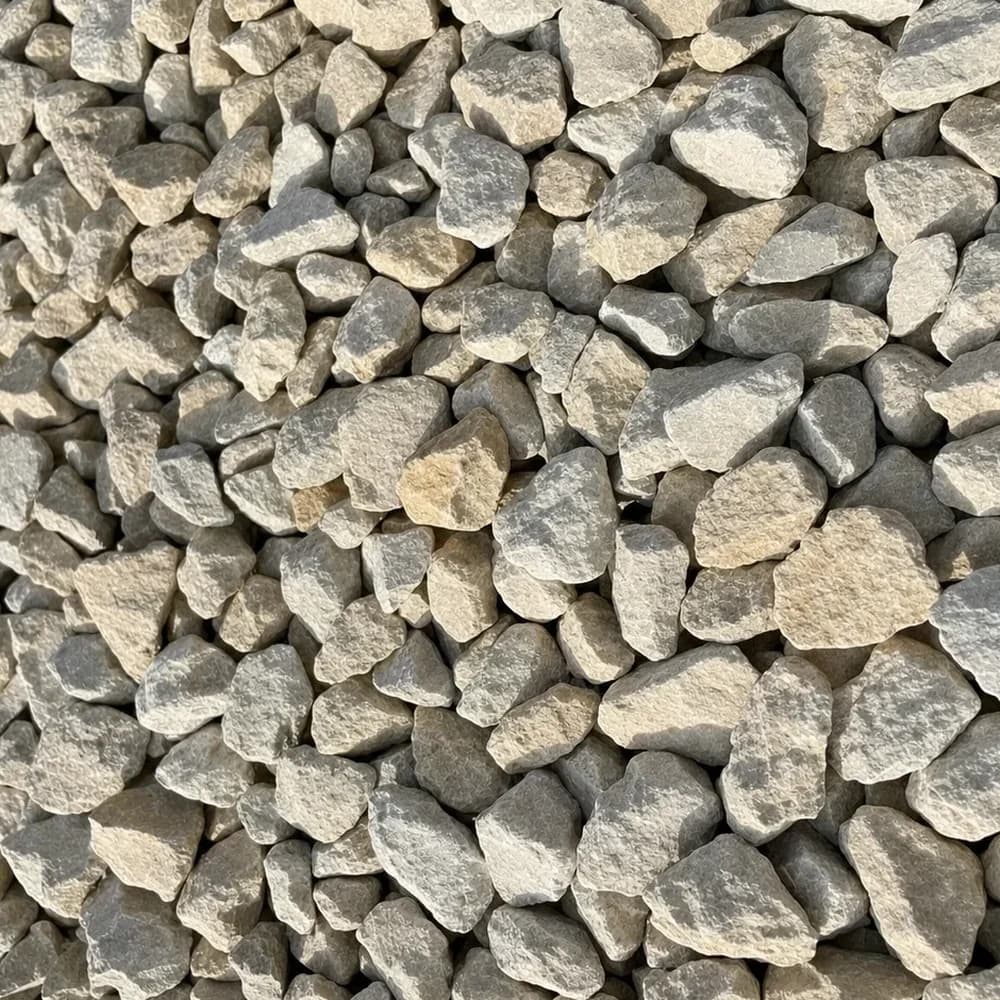
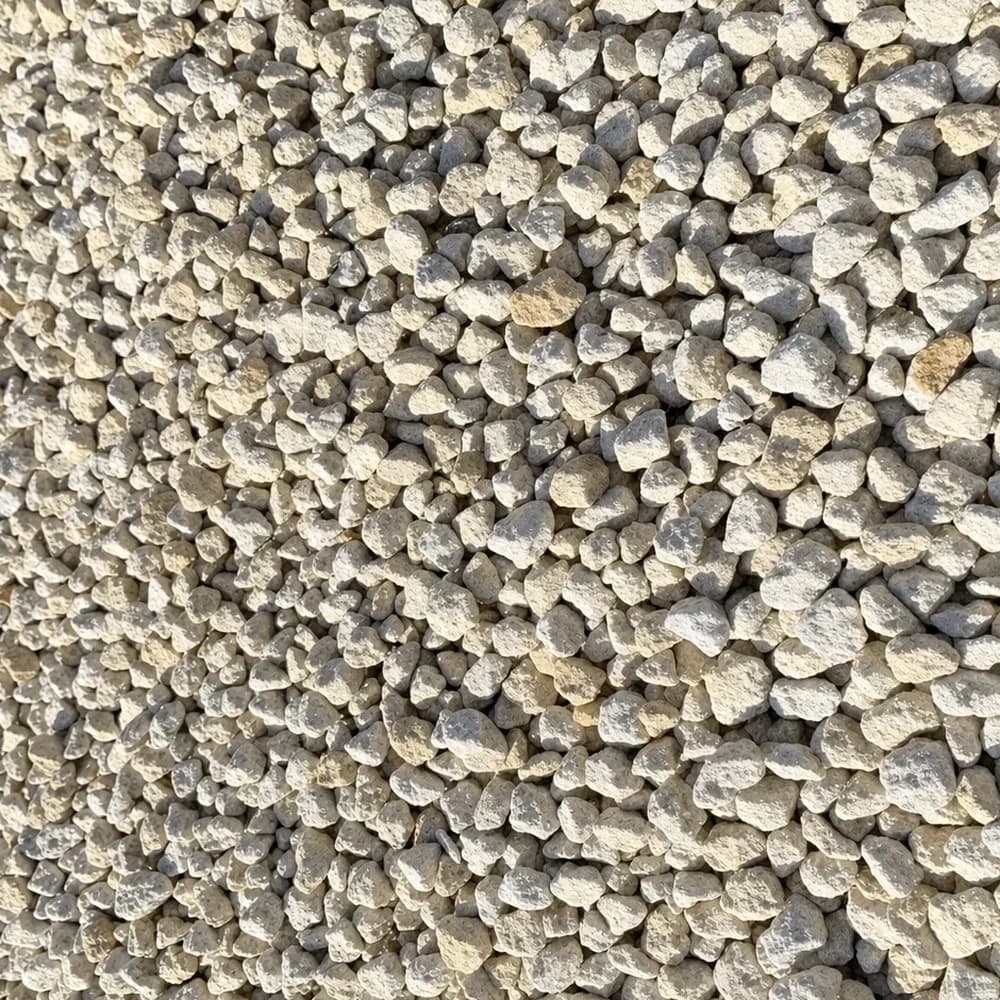
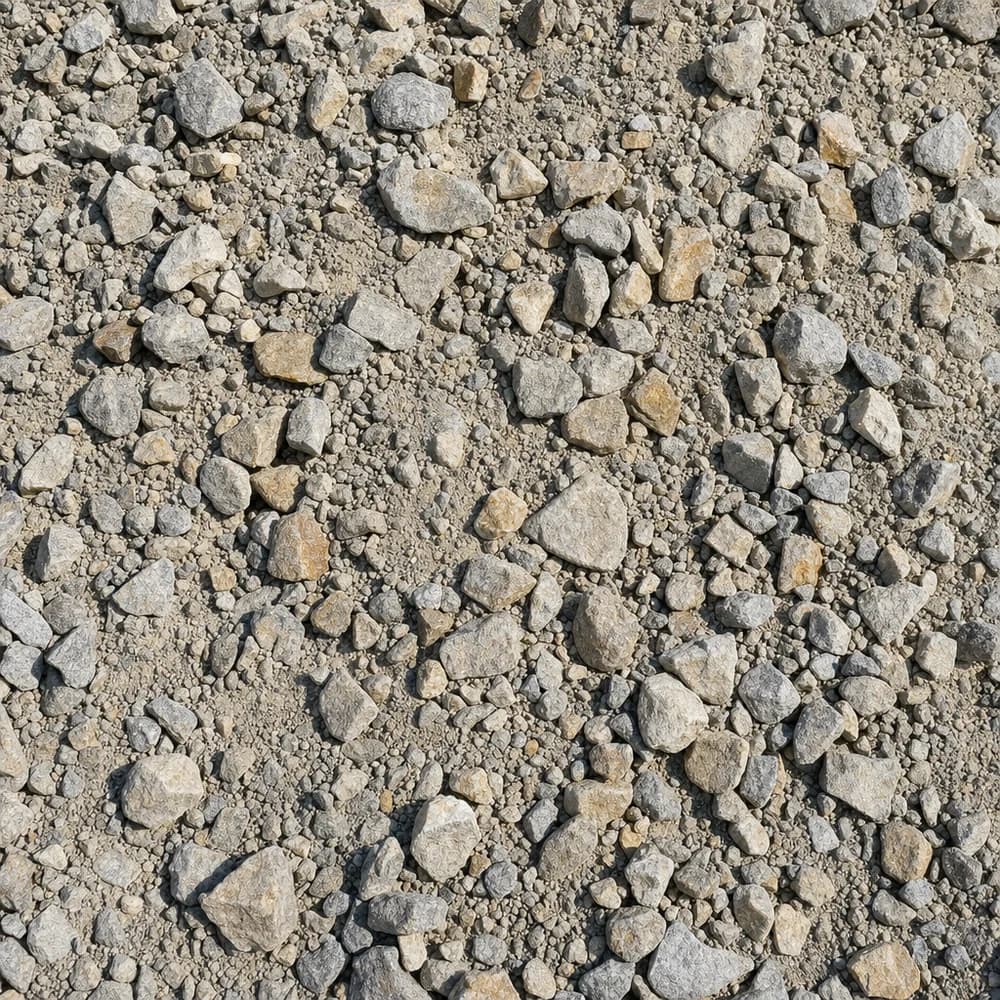
- Size: 3/4 inch minus
- Grading: Crushed stone blended with stone dust and fine particles
- Type: Angular crushed stone
From $386 for 1 ton, delivery included (larger loads cost significantly less per ton)
Free delivery included
Free delivery anywhere in Missouri
Pick a delivery date
Weekday delivery, earliest Oct 30
“Went with Missouri Rock Supply for Crusher Run and I'm really happy with how it turned out. They kept me updated the whole time, and the delivery was easy with good communication.”
Eric S. · Verified Buyer
Get a Free Quote
Fill out the form and our sales team will get back to you within the hour.
Size and Grading
- Size
- 3/4 inch minus
- Grading
- Crushed stone blended with stone dust and fine particles
- Type
- Angular crushed stone
The ground this stuff gets laid on in Missouri splits into two camps, and they behave nothing alike. Either it is cherty clay over limestone or dolomite, full of rock that fights a shovel and stays firm once you are down to it, or it is the tight claypan and glacial till of the northern prairies, which takes rain in and then declines to let it back out. Crusher run is 3/4 inch minus angular crushed stone carrying its own stone dust, and on the first sort of ground it locks up in a couple of passes, while on the second it will sit and sulk until the water under it has somewhere to go.
The window between a soaked spring and the first hard freeze
Missouri gives you a workable stretch rather than a season. Late spring through fall is when base and pad work actually goes well across most of the state, and the two things that stop a job are frozen ground in midwinter and saturated ground after heavy spring rain. North of the Missouri River that window closes earlier and opens later, because upland clay up there stays soft from late fall into spring and January freezes and thaws the ground over and over. Down in the southern Ozarks the freezes are shorter, so a dry stretch in February is genuinely usable.
The practical read: book the load for a run of dry days, not for a date on the calendar. Laying this material into standing water or onto a subgrade that squelches underfoot wastes the whole load, because the fines turn to mud and the stone never gets the chance to knit.
Getting claypan or chert ready before crusher run goes down
Prep is where the Missouri version of this job differs from anywhere else. On claypan and till, shape the subgrade to shed water sideways before anything is spread, and if water stands on it after a rain, put in a drain line first and let it work for a week. On cherty Ozark ground you usually have a firm bottom already, but you will be picking rock out of the cut, and the subgrade will be uneven where the chert runs. Rake the high points off rather than bridging over them with extra material.
Once the bottom is right, wet the crusher run before you compact it. Damp stone dust binds around the larger angular pieces; dry stone dust just blows off the top. Compact in lifts of a few inches, and put the surface course on afterwards rather than the same day.
Behind a wall, along a pond edge, and at the gate the trucks use
Three jobs come up constantly, and this material is right for one and a half of them.
Retaining wall backfill is the one people get half right. Directly behind the block you want a clean, washed stone so water can drain down and out rather than build pressure against the wall, so that chimney takes Drain Rock or a 1 inch clean. Crusher run belongs in the compacted zone behind that drainage layer, and under the leveling course the first row of block sits on, where its job is to stop the wall settling.
A pond or shoreline edge is where it gets ordered wrongly. Above the waterline, on the access path and the approach a tractor uses, it works. At the waterline it does not last: wave slap and the rise and fall of a Missouri farm pond through a wet spring strip the fines straight out, and what stays is loose stone. That edge wants RipRap.
A construction entrance at a field gate is a compromise. A true entrance off a gravel county road is built from coarse clean stone, sized to shake mud off tires, which is #4 Crushed Stone territory. Crusher run makes a good apron for a farm gate that sees a pickup and a trailer rather than tandems, and it makes a good base under the coarse stone where the ground is soft.
Yardage for a 40 foot wall zone and a 30 by 20 gate apron
Take a 40 foot wall with a compacted zone 18 inches wide running four feet up behind the drainage chimney. That is 40 x 1.5 x 4, or 240 cubic feet, and 240 divided by 27 is 8.9 cubic yards.
A gate apron 30 feet by 20 at eight inches works out at 30 x 20 x 8/12, which is 400 cubic feet, and 400 divided by 27 is 14.8 cubic yards.
This site publishes about 3,000 lb per cubic yard for the crusher run and road base family, roughly 1.50 tons to the yard and approximate, so the wall zone comes out at 8.9 x 1.50, near 13.4 tons, and the gate apron at 14.8 x 1.50, about 22.2 tons.
Both figures are volume before compaction, and this material loses height as it knits, so the ticked ten percent extra on the crusher run calculator is not padding. Run the cubic yards through it to get the order weight, since the material ships by the ton.
What a grader blade and a plow leave behind by March
A compacted apron will take a plow, provided the blade is set with shoes or run an inch high. Dropped flat on a gravel surface, a plow blade peels the top course off into the ditch and finds every edge, and by the second winter you are buying the same material twice.
A grader blade is the opposite problem. A pass in dry weather just moves loose stone around and pulls the fines to the windrow. Blade it while the surface is damp, a day or two after rain, and the fines go back into the layer instead of over the side. Potholes are almost always a water story rather than a rock story, so before topping one up, look at where the water sits.
Once you have your yardage, choose a quantity and a delivery date on this page. Delivery is arranged at checkout from your ZIP code, and the truck needs clear access to a spot it can tip on. If the gate is tight or the lane climbs, say so through the contact page first.
Quickly Calculate How Much You Need
Material: Crusher Run
How to Measure
Measure the length and width of your project area in feet
Decide on depth in inches (2" for landscaping, 4" for driveways)
Enter the values above and we'll calculate the tonnage you need
Need help figuring out the right amount? We can help!
Call or text us at (314) 501-6558 and we'll help you calculate the right quantity for your project.
Not sure how much you need? The Crusher Run Calculator has depth guides, coverage charts and worked examples for this material.
Frequently Asked Questions About Crusher Run
Customer Reviews
Went with Missouri Rock Supply for Crusher Run and I'm really happy with how it turned out. They kept me updated the whole time, and the delivery was easy with good communication.
Eric S. · Columbia, MO · Verified Buyer
Picked up some Crusher Run from this company and the free delivery was a huge plus, I'm really happy with it and would definitely order again.
Gina H. · Kansas City, MO · Verified Buyer
Needed Crusher Run for my driveway and these guys made it easy. Delivery arrived right on schedule, and they kept me updated the whole time. Really happy with how smooth it all went.
Mike R. · Lee's Summit, MO · Verified Buyer
Ordered Crusher Run from Missouri Rock Supply and the pricing was fair for what I got. I'm really happy with it and would definitely order again.
Hank N. · Independence, MO · Verified Buyer
Crusher Run has 4 verified customer reviews with an average rating of 5 out of 5.