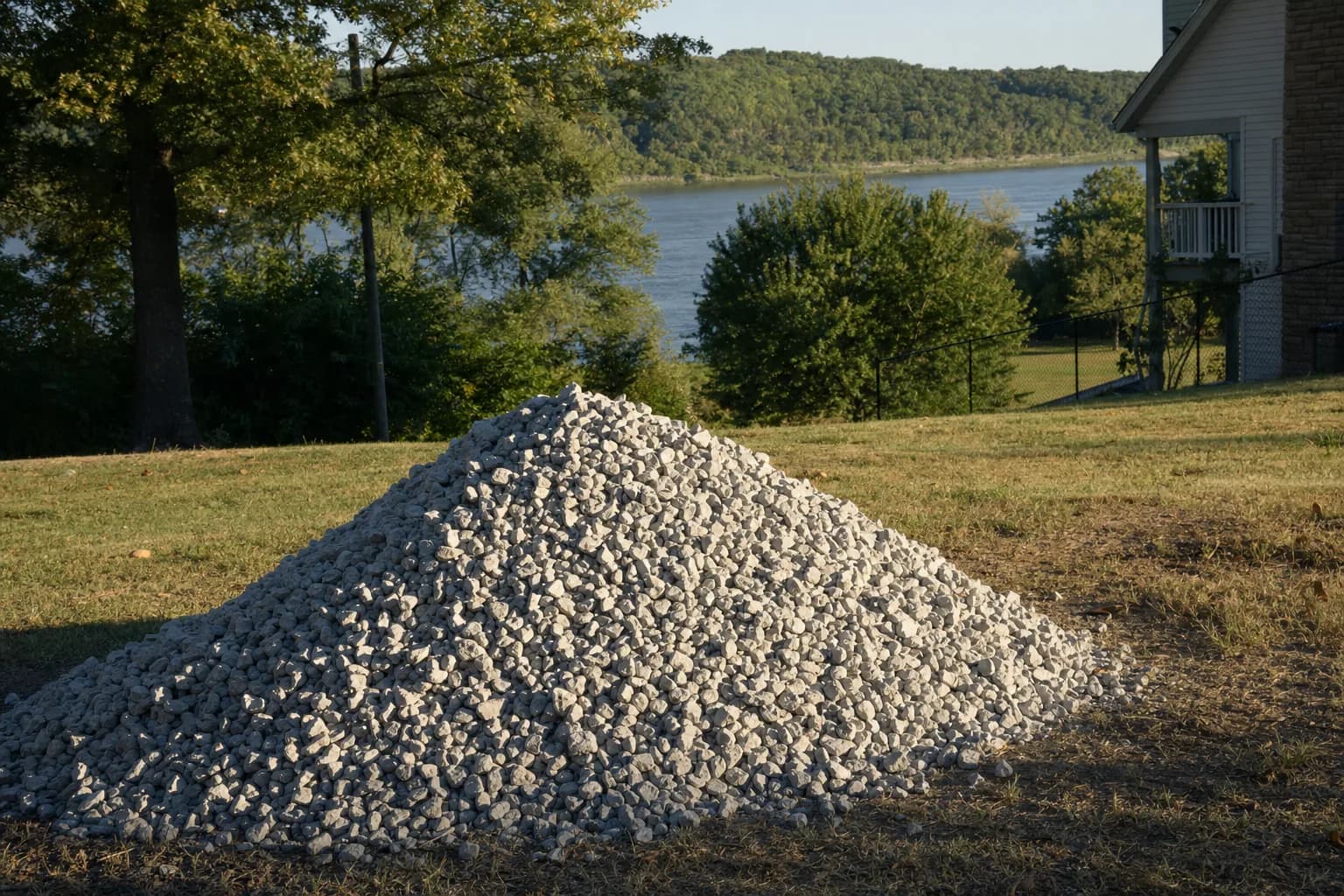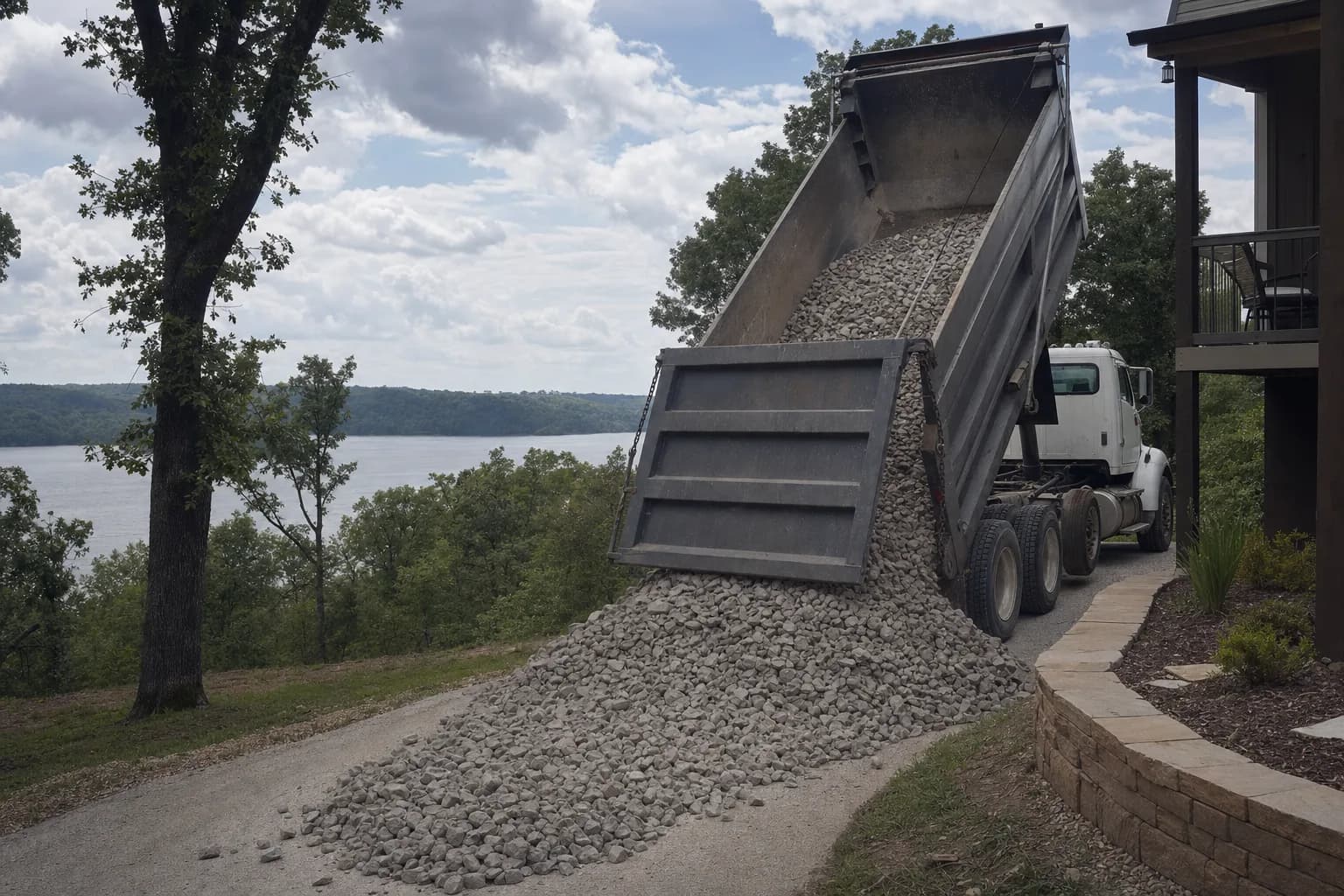
Gravel Delivery for Missouri Lanes, Pads and Beds
Order crushed stone, river rock, topsoil & more, with delivery in 2 business days.
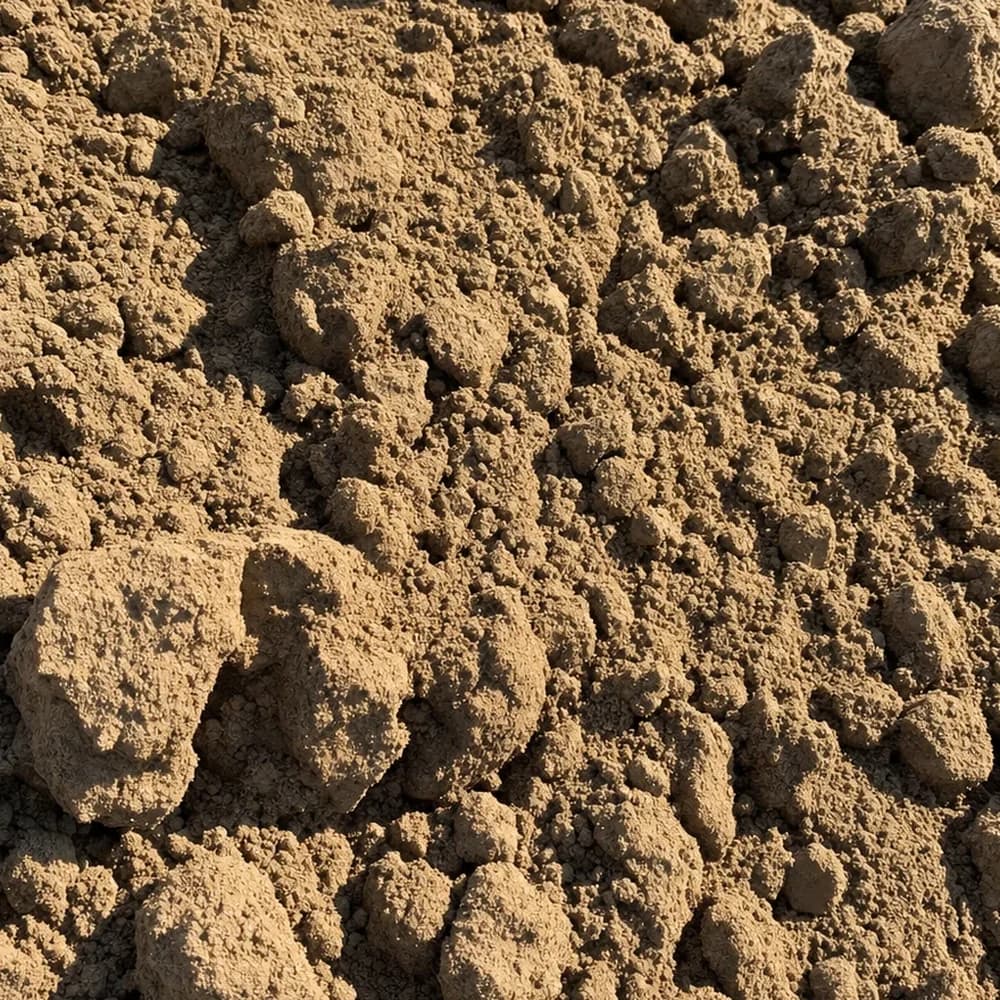
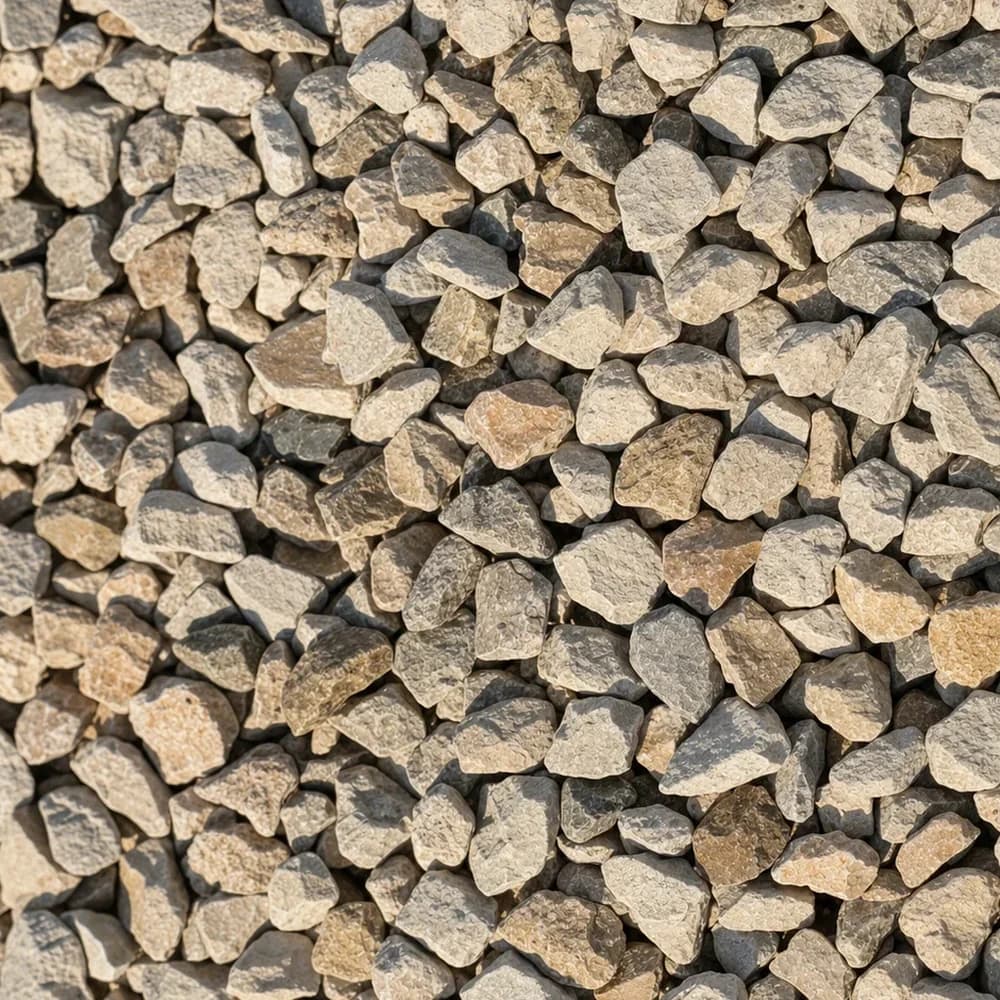
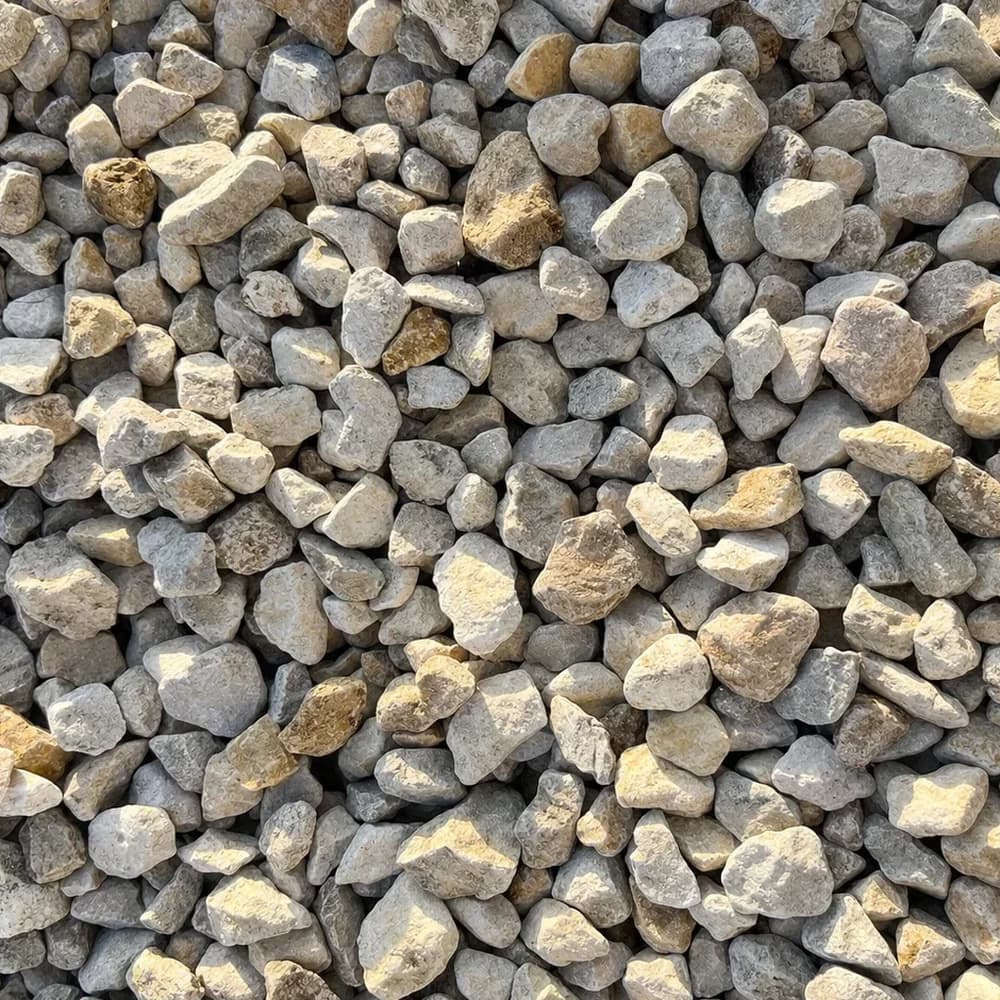
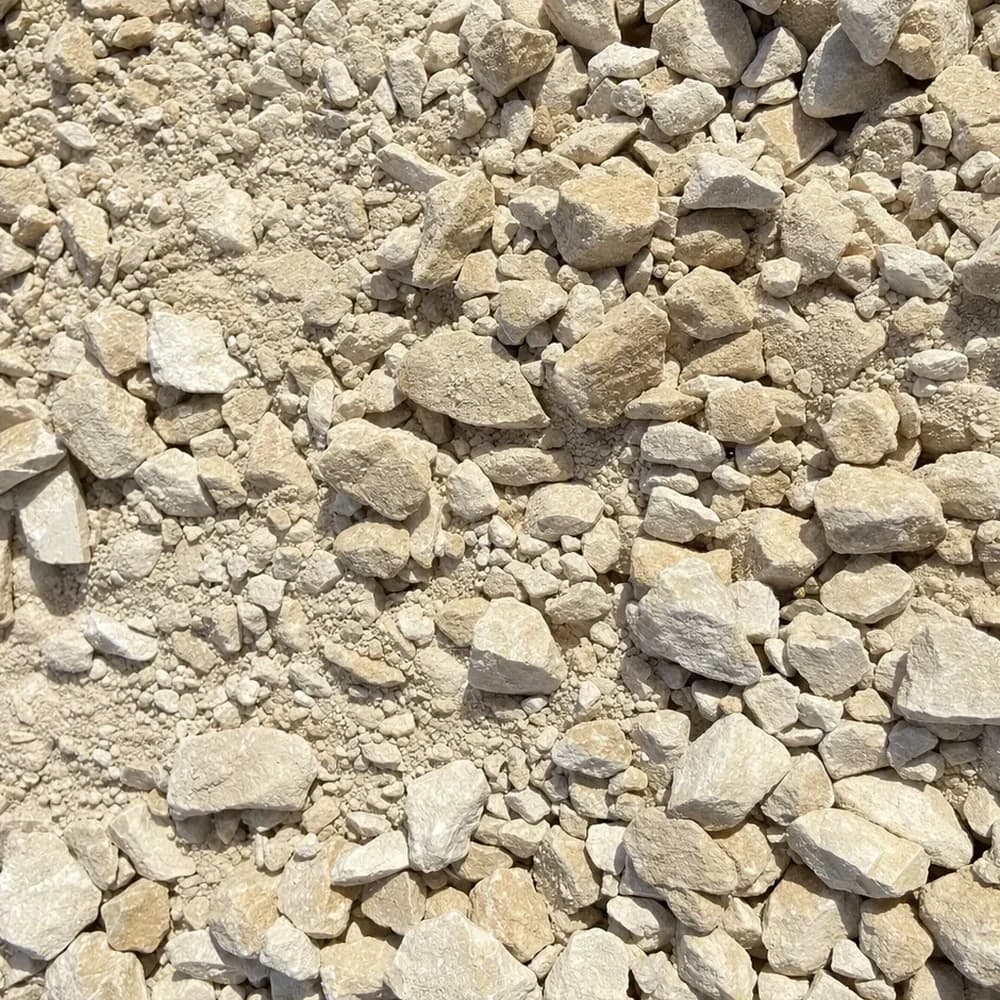
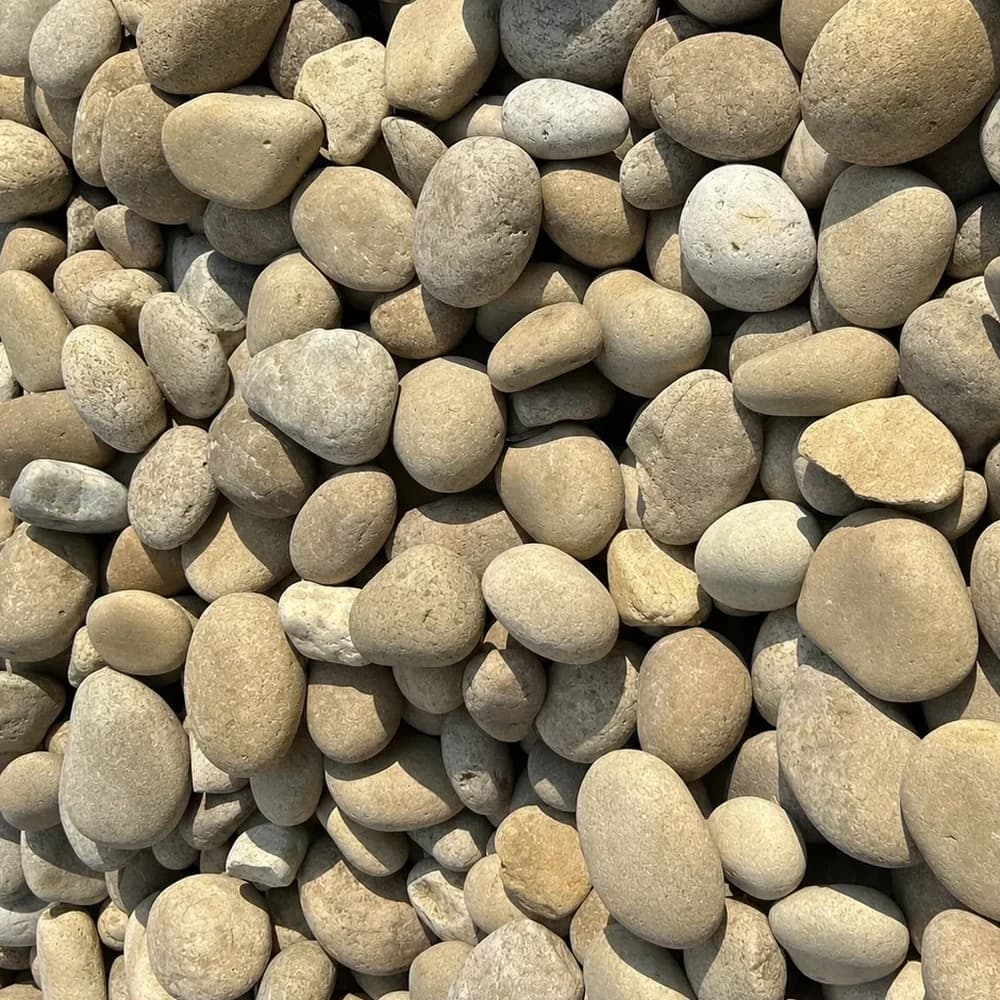
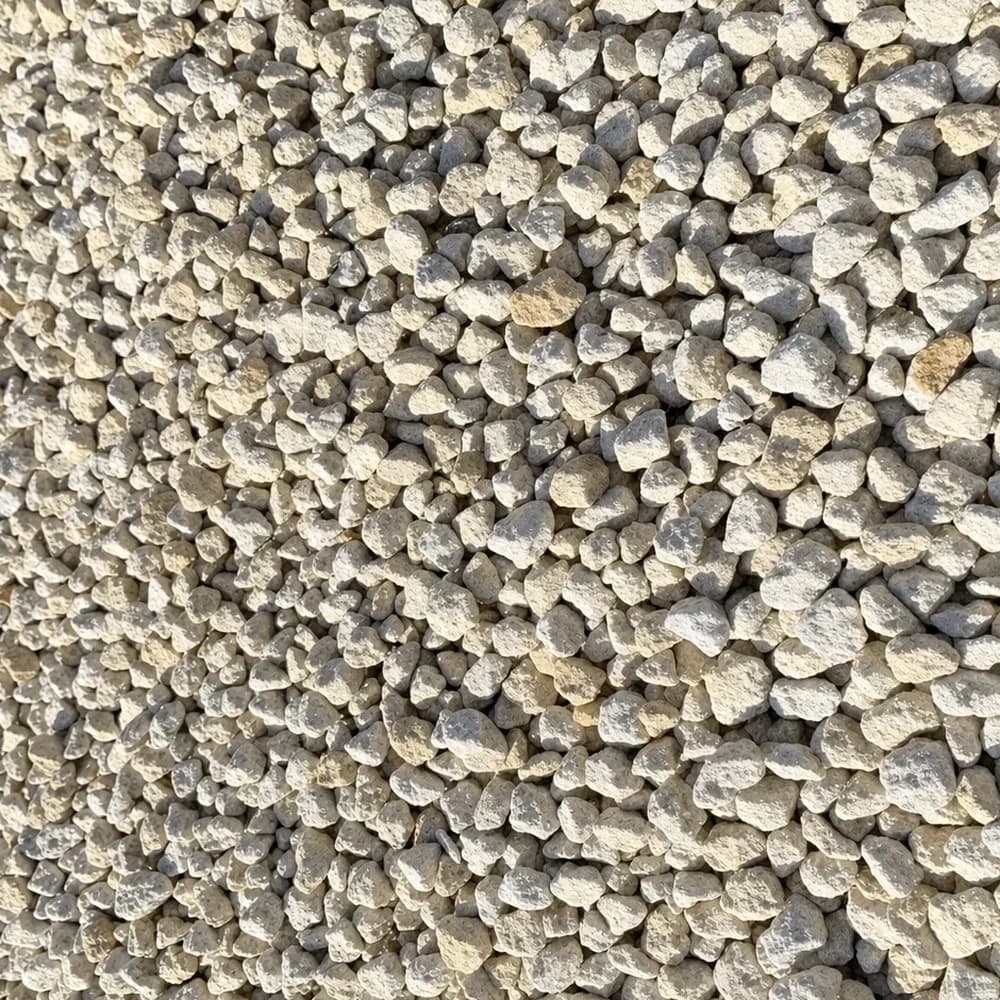
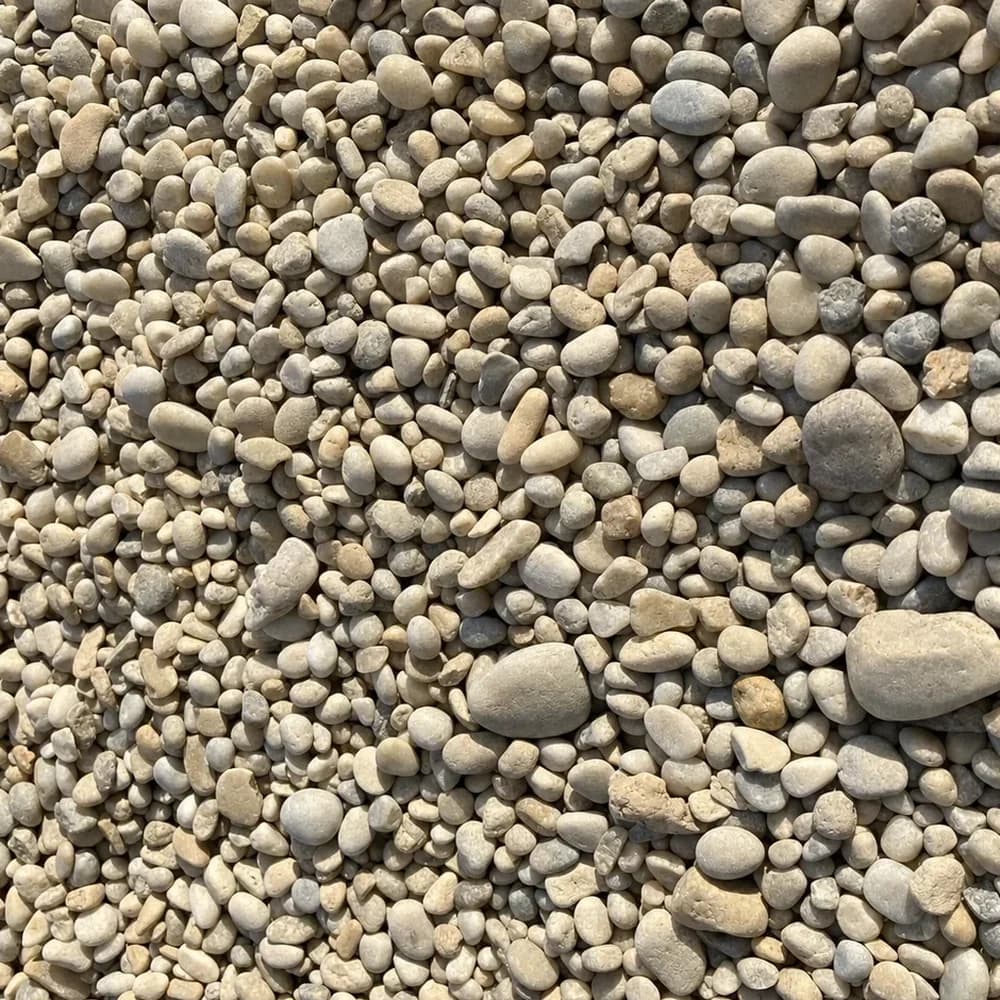
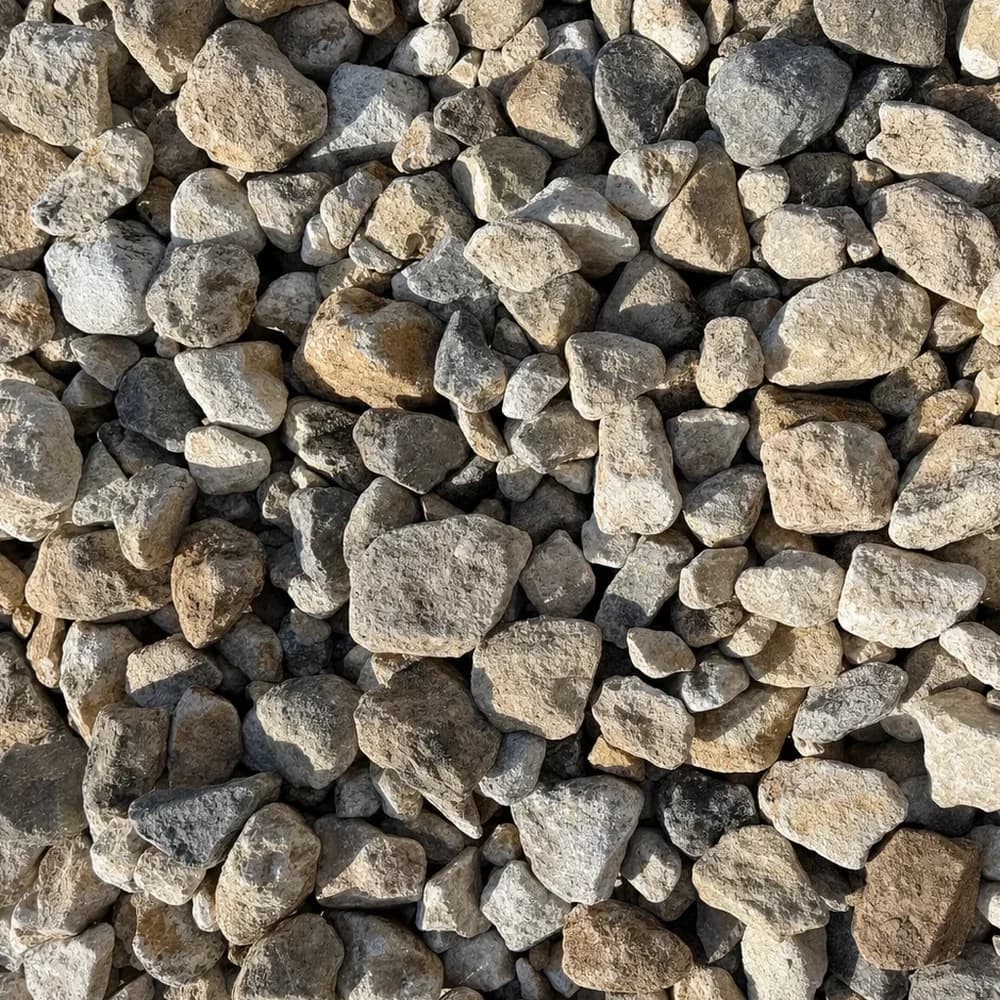
Why Choose Missouri Rock Supply
Aggregate supplies for homeowners and contractors in Missouri
Aggregate Materials
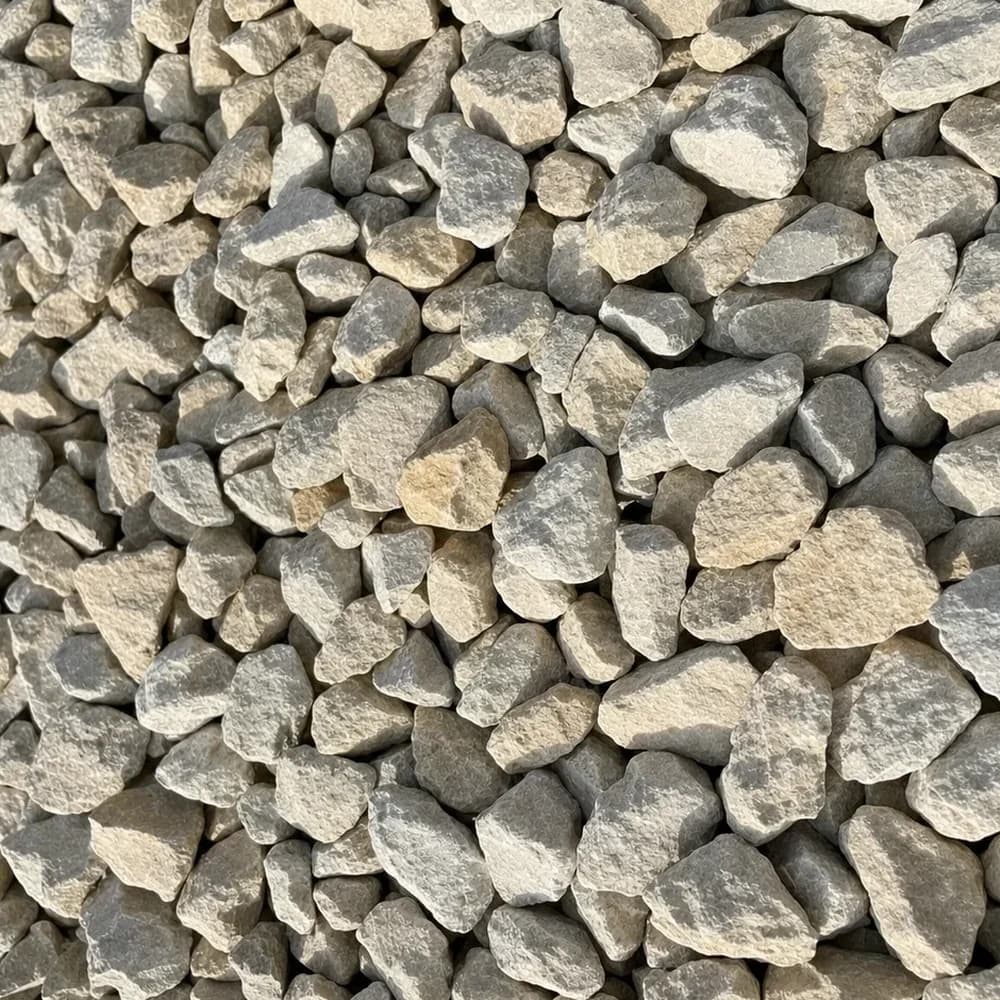
Aggregate materials for your project.
Per-Ton Pricing
Per-ton prices are shown before you place an order.
FREE Dump Truck Delivery
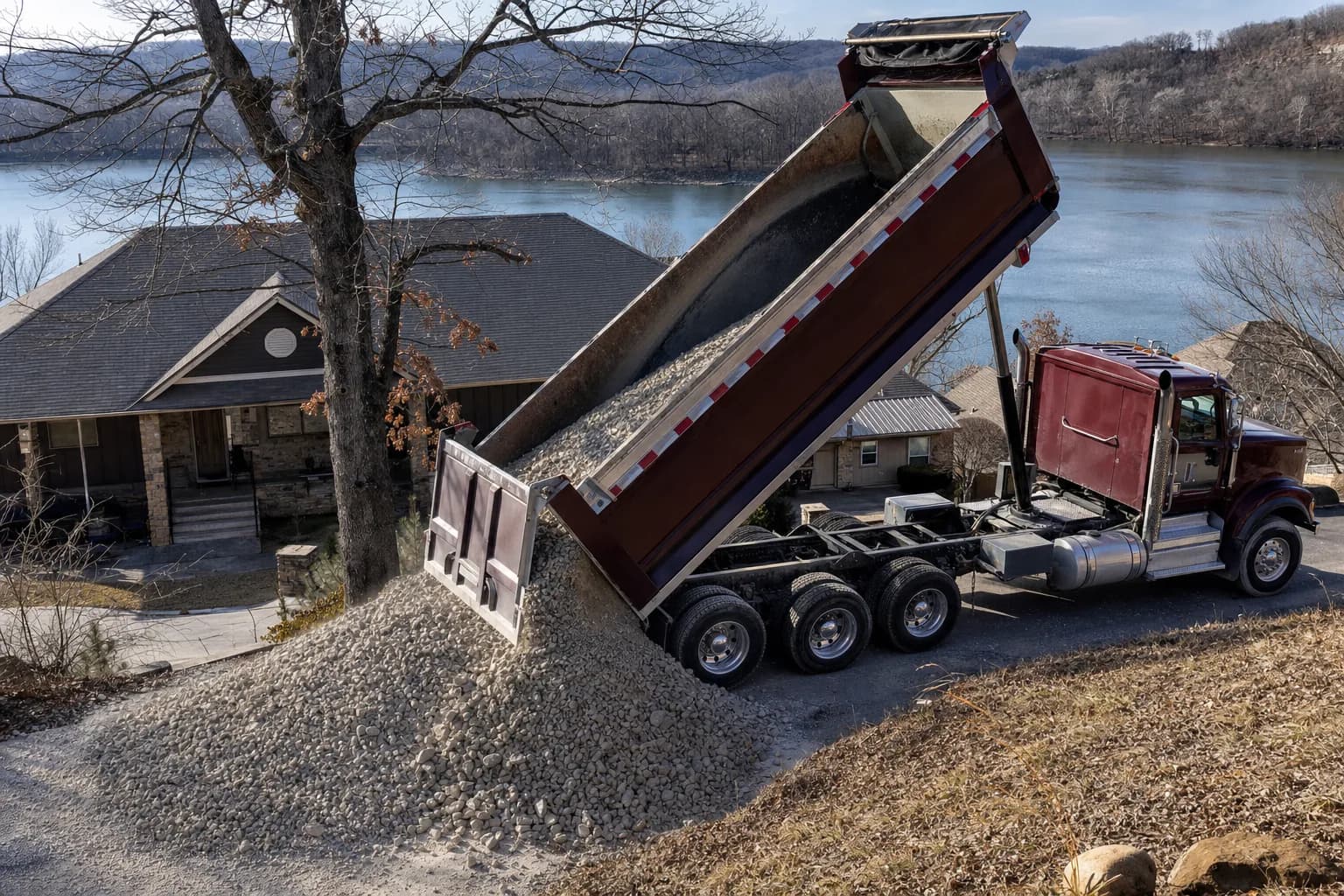
Free dump truck delivery throughout Missouri, with orders delivered in 2 business days.
Customer Satisfaction
Support is available through phone, email, or text.
Aggregate delivery across Missouri
Free delivery across Missouri, including Kansas City, St. Louis, Springfield, Columbia and Independence.
Stone commonly used in Missouri includes limestone, dolomite and chert. Orders are delivered by dump truck to jobs from the Ozarks, the Missouri River and the Mississippi River, with delivery included in the price.
Common projects here include base rock driveways, low-water crossings and pond dams. Ozark cherty soils drain well; the northern glacial till and the Bootheel alluvium do not. Base depth follows the soil, not the map. Frost goes to about 30 inches in Missouri, so plan base depth around it.
What we call it in Missouri
Base Rock, Crusher Run, #57 Limestone, Screenings, River Rock.
If your project follows an engineering or road-agency spec, compare it with the size and grading listed on each product page.
Popular delivery areas in Missouri
- Kansas City
- St Louis
- Springfield
- Columbia
- Independence
- Lees Summit
- Ofallon
- St Charles
- St Joseph
- St Peters
- Blue Springs
- Joplin
- Florissant
- Chesterfield
- Wentzville
- Jefferson City
- Cape Girardeau
- Wildwood
- Liberty
- Ballwin
- Maryland Heights
- Grandview
- Nixa
- Raymore
Every Missouri city we deliver to, A to Z · Gravel delivery across Missouri · All counties and cities we serve
Quickly Calculate How Much You Need
Order in Simple Steps
Select Your Aggregate
Review our catalogue and select a product that fits your job.
Figure Your Order Amount
Figure out your gravel order amount with our calculator. It takes only a moment.
Check Out, Then Get Your Order
Send us your details, and your order will be brought to your door.
Two loads can sit on the ground looking much the same and behave nothing alike. Base rock comes off the truck with a gray dust clinging to it, and that dust is what locks the stone into a surface a loaded pickup can cross. Clean rock is washed, carries no fines at all, and stays loose on purpose. Order the second where you wanted the first and a wet March will tell you inside a week. Nearly every gravel delivery booked here starts with that one decision.
Base rock and clean rock are bought for opposite reasons
Base rock is a 1 inch minus graded mix of crushed stone, gravel and binding fines. It goes under a farm lane, a shed pad or a parking area, because the fines let the layer compact into one dense mass. Around here, county crews and quarries describe base material by its MoDOT Section 1007 designation, Type 1, Type 5 or Type 7. Type 1 and Type 5 are both 1 inch dense-graded mixes, with Type 5 also capping the finest dust fraction, and Type 7 is a coarser 1-1/2 inch grade. Those are the names used locally when somebody writes down what they want, not a certification carried on this site, so hold a plan sheet against the grading listed on the product page.
Clean rock is the opposite animal. Washed, single sized, nothing filling the gaps. It belongs out of sight: in a French drain, a septic field, a trench bottom, or bridging over a separation fabric, sourced locally rather than here, where a stretch of lane keeps going soft. It never becomes a finished driving surface.
Chert on the ridges, claypan on the flats
Depth follows the ground, not a state average. Across the Ozark plateau the soil is thin, cherty clay over limestone and dolomite, with sinkholes, springs and losing streams part of the picture. The subgrade is firm once you scrape down to it, and rock slows the digging more often than mud does. North of the Missouri River, loess sits over glacial till and a tight claypan holds water on the flats from late fall into spring, so a course that works in the southern hills wants more depth and a crowned grade up there. The Bootheel is different again: deep river-laid sand, silt and heavy clay on nearly level land that sheds water slowly through ditches. Frost reaches roughly 24 to 36 inches depending on the local code, deeper in the north and around Kansas City than in the southern Ozarks, which is further down than any stone layer goes. Drainage, not thickness, is what protects the job.
What a Missouri order is usually made of
Drives and pads come from the compacting group: base rock underneath, crusher run where a tighter binding mix is wanted, and driveway gravel as the surfacing course, which some quarries sell as road rock by top size.
Water work comes from the washed group: 1 inch clean, 3/4 inch clean and drain rock, with rip rap where storm runoff is cutting into a creek bank or a pond dam.
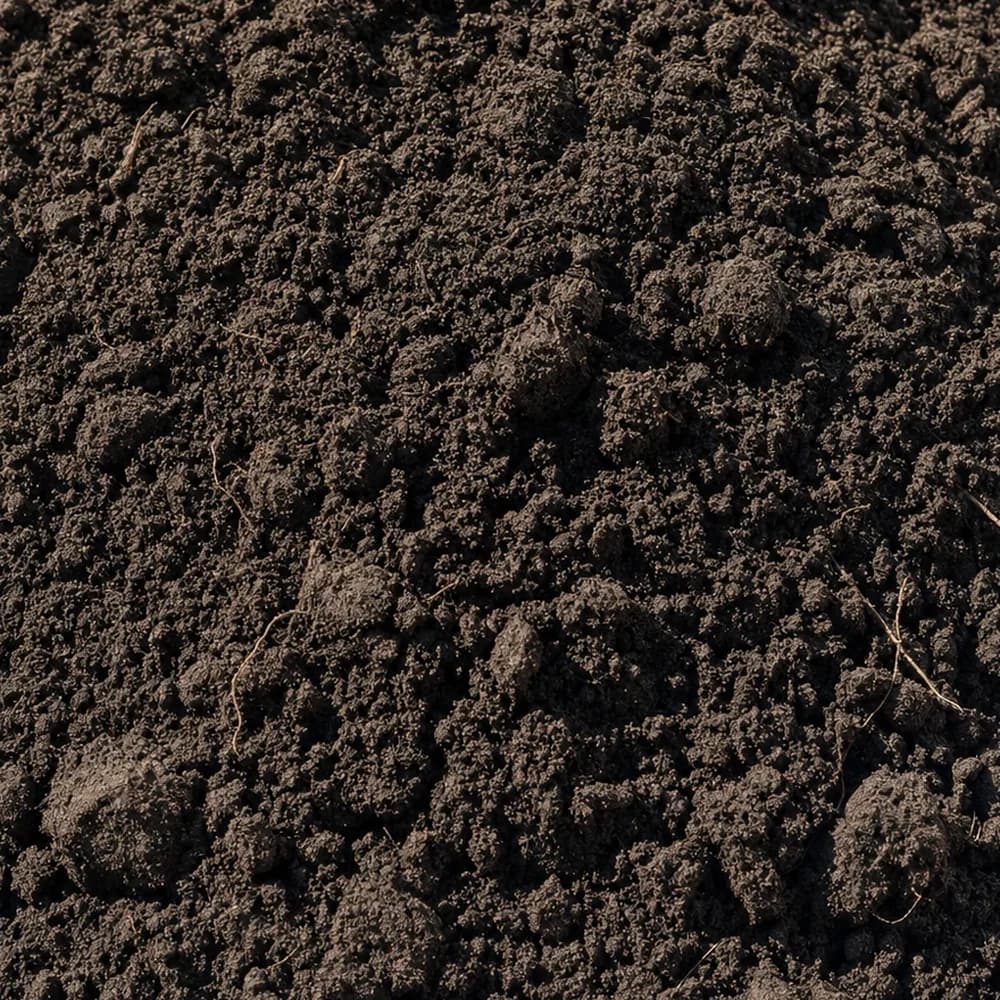
Finish work is the rest: screenings under pavers and flagstone, river rock in beds and dry creek runs, pea gravel on paths and play areas, and topsoil, garden soil and fill dirt for grading and planting. The full range sits on the materials page.
Turning a farm lane into tons
The calculator takes a rectangle, a circle, or up to five separate areas added together. Length, width and diameter go in as feet, depth as inches anywhere from 0.25 to 24, then you pick the material and press calculate. It hands back cubic yards, tons and cubic feet, and there is a box, ticked by default, for an extra 5 percent (10 percent on dirt, crusher run, road base and paver base) to cover compaction and spillage.
As an example with made-up numbers, a 45 by 14 foot lane at 6 inches of compacted base is 630 square feet, which is 315 cubic feet, which is 11.67 cubic yards. At the roughly 3,000 lb per cubic yard this site publishes for the crusher run and base family, about 1.50 tons to the yard and approximate, that comes to near 17.5 tons. Run your own figures through the material calculators before ordering.
Booking gravel delivery to a hollow or a hilltop
Delivery is arranged at checkout from the ZIP code you enter, along with the date you choose. On a steep lane climbing out of a hollow, or a shoulder still soft from spring rain, access decides where the pile ends up more than the tonnage does, and what the truck needs at the drop covers the route, the clearance and the marking. If the approach is awkward, say so through the contact page before the load is booked. The ordering questions page picks up what people ask next, and who is behind the storefront covers what happens between checkout and the truck.
Customer Feedback
Comments from customers
“Went with these guys for riprap and I'm really happy I did. The riprap was solid material and showed up right when they said it would. I'd definitely order from them again.”
Karen G.
RipRap
“Ordered #57 Limestone from them and it was top notch. The driver was friendly and careful about where he placed it, which I really appreciated.”
Brian L.
#57 Limestone (#57 Stone)
“Decided on natural pea gravel for a walkway project and ordered from them. The free delivery was a big help, and everything showed up right where I needed it. Really happy with how it looks and I'd definitely use them again.”
Megan B.
3/8" Natural Pea Gravel
“Had railroad ballast delivered by the team and everything showed up right when they said it would. I'm really happy with it and would definitely order again, easy to recommend.”
Lisa S.
Railroad Ballast
“Had them deliver large river rock and the whole thing went great. Ordering was painless, delivery was easy, and I'm really happy with how it turned out.”
Rob M.
Large River Rock
“Ordered drain rock from Missouri Rock Supply and loved that the delivery was free. It showed up right on schedule, and I'm really happy with how easy the whole thing was.”
Eric W.
Drain Rock
Common Questions
Answers to common product and service questions
Have any questions?
We can work out material quantities, help match gravel to the job, and coordinate a delivery date with you.
Contact us