Mason Sand for Missouri Paver Beds, Mortar and Play Areas
Missouri rain and seasonal frost make orderly paver preparation important; Mason Sand supports smooth masonry and patio finishing.
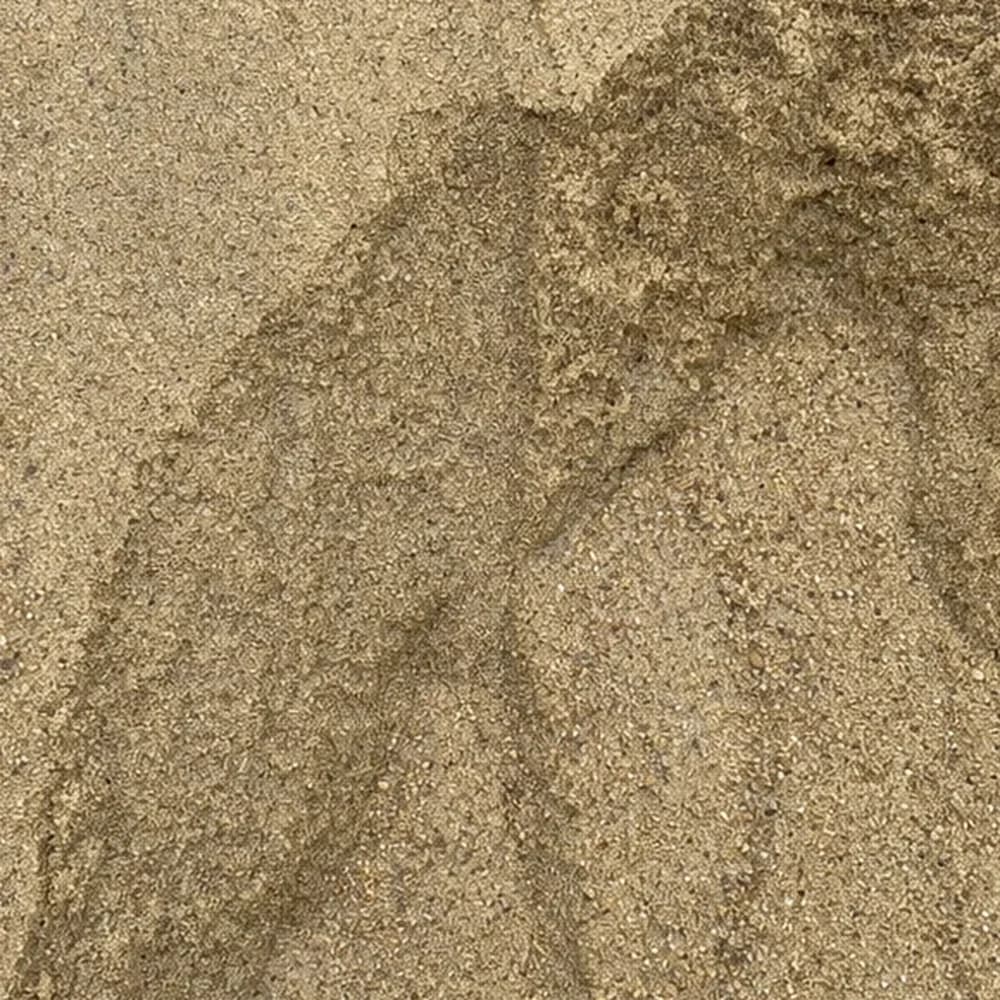
- Size: Ultra-fine, consistent grain size
- Grading: Washed to remove clay, silt and organic impurities
From $470 for 1 ton, delivery included (larger loads cost significantly less per ton)
Free delivery included
Free delivery anywhere in Missouri
Pick a delivery date
Weekday delivery, earliest Oct 30
“Got mason sand from the team and the free delivery made it super easy. Price was fair too, really good value and I'd order again.”
Kim C. · Verified Buyer
Get a Free Quote
Fill out the form and our sales team will get back to you within the hour.
Size and Grading
- Size
- Ultra-fine, consistent grain size
- Grading
- Washed to remove clay, silt and organic impurities
Two sand piles get mixed up at the tailgate more often than any other pair of materials on this site, and the one that ends up under a paver patio decides how flat that patio still is after a winter of freezing and thawing. Mason Sand is the ultra-fine one, washed to take the clay, silt and organic matter out, with a grain size that stays consistent through the load. Its near neighbor is coarser, grittier and meant for a different part of the job, and using each in the other's place is where most Missouri paver complaints begin.
Two sand piles that look the same from ten feet away
Pick up a handful of each and the difference is immediate. Washed Sand, the concrete sand people also call sharp sand, has visibly larger and more varied grains and feels gritty. It is a structural sand: it belongs in concrete, in bedding under slabs and in leveling work where the layer has to carry something. Mason Sand feels almost soft, closes up smooth under a screed board, and is graded fine and even.
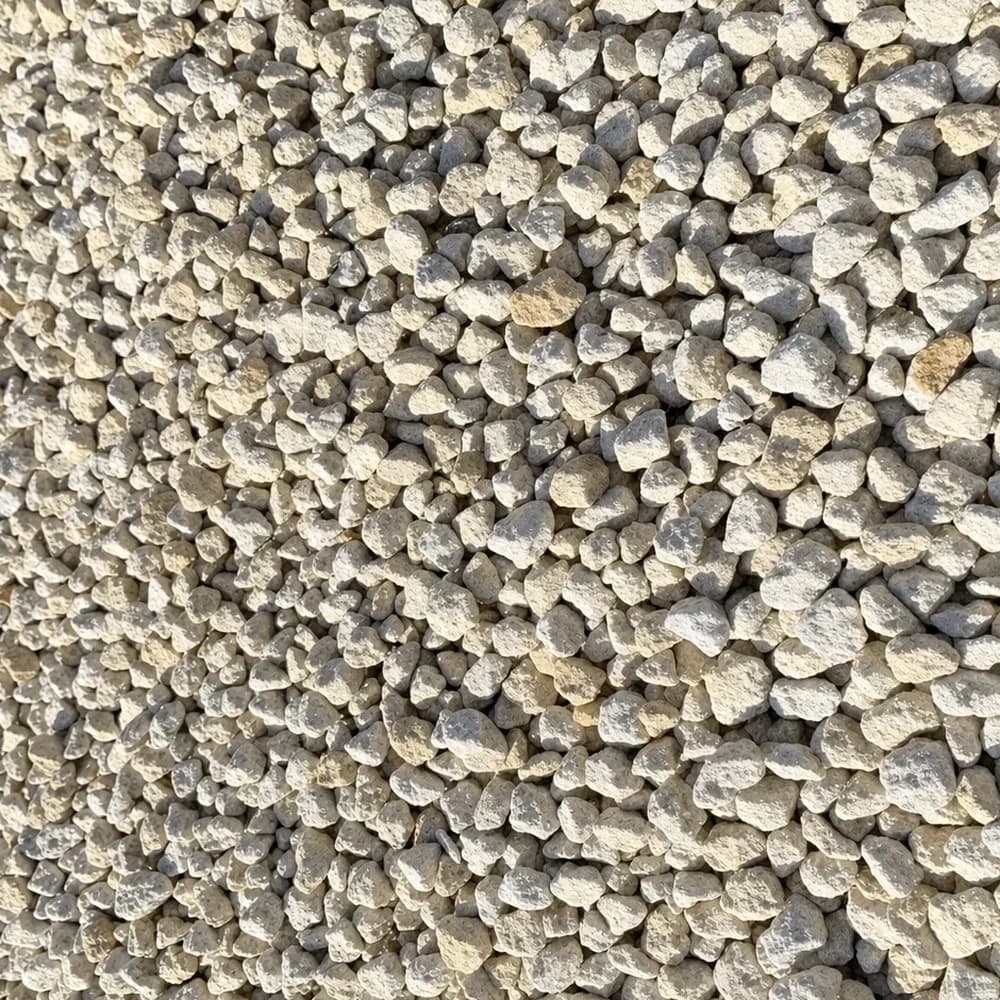
The third pile worth naming is Screenings, the fine crushed stone and dust left over from crushing. It is not a sand at all, it is angular, and it compacts into something firm, which makes it a very good bedding and jointing material for flagstone and a poor choice anywhere you want a soft, loose fill. A note on local naming: screenings are not agricultural lime, whatever anyone at the yard calls them, and the two are not interchangeable.
What Mason Sand is for once the base underneath is already right
Everything this material does well happens after the support layer is built and compacted. It is a finishing sand, not a base.
In mortar, stucco and grout it is the fine aggregate, and the even grading is what makes a mix spread cleanly off a trowel. On a paver job it does two separate turns: a thin screeded bedding course that the pavers are set into, and a sweep into the joints once they are down. In a sandbox or a play area it is the washed, debris-free texture that matters, and it is soft enough that nobody minds sitting in it. On a recreational volleyball court it makes an even surface that drains after one of the fast Missouri summer storms rather than holding a puddle.
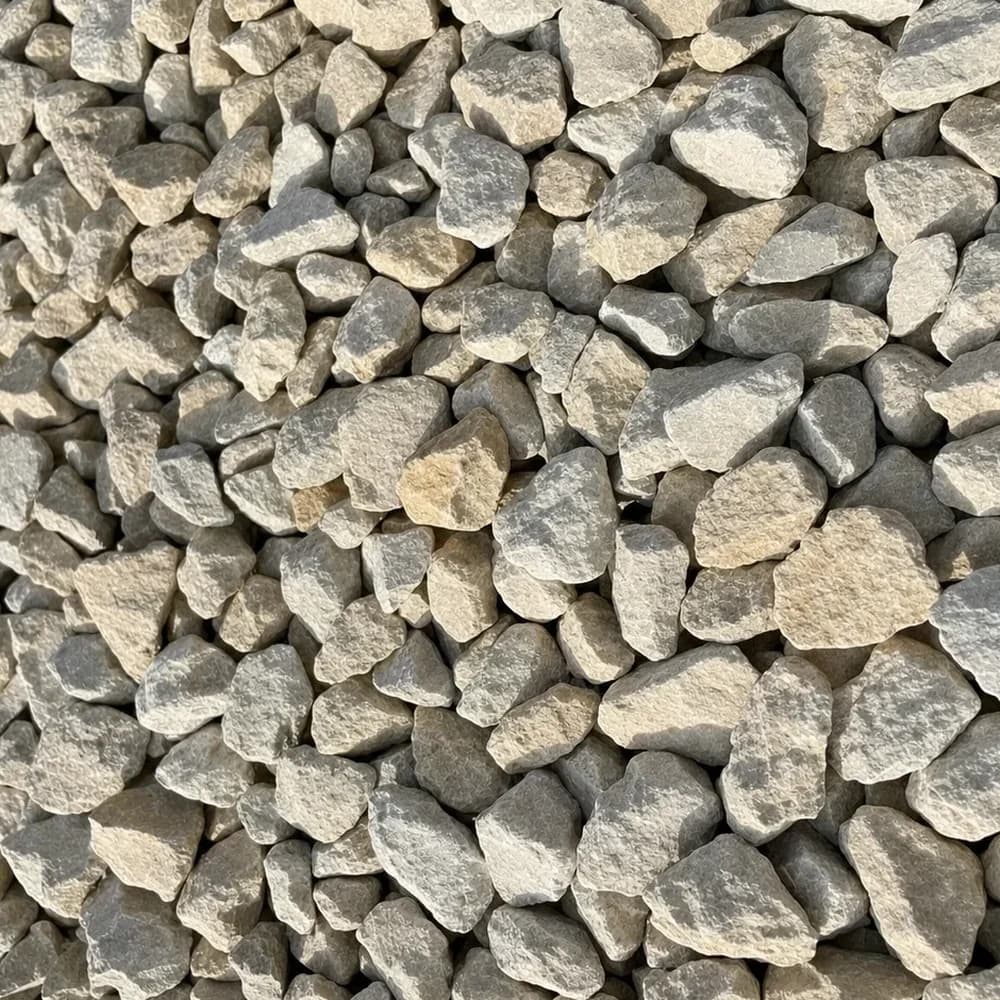
What it never does is carry load. A patio in the Ozarks with thin cherty soil under it and a patio on northern claypan both want a compacted base, usually Crusher Run, with sand only as the thin layer on top.
Three jobs people reach for sand on that want stone instead
These come up constantly, and sand fails all three.
A French drain along a foundation is not a sand job. Fine sand packs, holds water and plugs, which is the opposite of what a drain needs. Use a washed open stone such as 1 inch clean around the pipe, wrapped in fabric. For a 45 foot run, 18 inches wide and two feet deep, that is 45 x 1.5 x 2, or 135 cubic feet, which is 5 cubic yards of stone and no sand at all.
Filling a low spot or regrading a yard with sand looks quick and behaves badly afterwards. It drains too freely, nothing grows well in it, and it migrates. Bring the level up with Fill Dirt and finish the top few inches with Top Soil.
Lining a culvert outlet or a ditch with sand is the shortest-lived of the three. The first storm that sends runoff down a hollow takes the whole lot downstream. That job wants weight, which means RipRap.
Bedding depth under pavers, and what freeze and thaw does to a thick one
Bedding is thin on purpose. A screeded course of about an inch is the target, laid over a compacted base and never used to make up for a base that is not level. Screed it, set the pavers into it, and do not compact the sand on its own beforehand.
The reason thickness matters so much in Missouri is the winter. Freeze and thaw cycles run repeatedly from December through February across the whole state, harder up in the northern prairie counties and milder in the southern Ozarks, and every cycle lifts and drops whatever sits above the frost line. A thin, even bed moves as one piece and settles back. A thick or uneven bed, two or three inches in places because someone was chasing a dip, moves differently across the patio and leaves you with a surface that rocks under a chair leg by March. If the base is out of level, fix the base.
Working out a patio bed, a sandbox and where the pile lands
A 12 by 14 foot patio bedded at one inch is 12 x 14 x 1/12, which is 14 cubic feet, and 14 divided by 27 is 0.52 cubic yards.
A five by five foot sandbox filled ten inches deep is 25 x 10/12, or 20.8 cubic feet, which is 0.77 cubic yards. Joint sweep on top of the patio figure is small but not nothing, so round up rather than down. This site publishes about 2,700 lb per cubic yard for the mason and washed sand family, roughly 1.35 tons to the yard and approximate, so the patio bed is 0.52 x 1.35, about 0.7 ton, and the sandbox 0.77 x 1.35, near 1 ton.
Sand ships by the ton, so run the cubic yards through the paver sand calculator for bedding work or the sand calculator for a bulk order, then choose a quantity and a date on this page. One piece of Missouri-specific advice on the drop: fine dry sand blows, so ask for the pile somewhere sheltered rather than on an open ridge, and get a tarp over it if it is going to sit. Delivery is arranged at checkout from your ZIP code and the truck needs clear access to a spot it can tip on, which is worth checking against a narrow side gate before you order.
Quickly Calculate How Much You Need
Material: Mason Sand
How to Measure
Measure the length and width of your project area in feet
Decide on depth in inches (2" for landscaping, 4" for driveways)
Enter the values above and we'll calculate the tonnage you need
Need help figuring out the right amount? We can help!
Call or text us at (314) 501-6558 and we'll help you calculate the right quantity for your project.
Not sure how much you need? The Sand Calculator has depth guides, coverage charts and worked examples for this material.
Frequently Asked Questions About Mason Sand
Customer Reviews
Got mason sand from them and it was exactly what I needed. I'd definitely order again and recommend them.
Rachel A. · Springfield, MO · Verified Buyer
Got mason sand from the team and the free delivery made it super easy. Price was fair too, really good value and I'd order again.
Kim C. · Columbia, MO · Verified Buyer
Picked up mason sand from these guys and it was exactly what I needed. Fair price, easy to deal with, and I'd definitely go back.
Michelle K. · Kansas City, MO · Verified Buyer
Got mason sand from them and it was exactly what I needed. The free delivery was a nice bonus and showed up right when they said it would. I'm really happy with the whole order.
Debbie I. · Columbia, MO · Verified Buyer
Got mason sand from these guys and the price felt fair for what I got.
Ryan M. · Springfield, MO · Verified Buyer
Mason Sand has 5 verified customer reviews with an average rating of 4.8 out of 5.