Garden Soil for Raised Beds and Planting Pockets in Missouri
Garden Soil brings compost-enriched growing material to Missouri planting areas for vegetables, ornamentals, and raised garden spaces.
- Size: Nutrient-enriched soil blend
- Grading: Enhanced with organic compost
From $478 for 1 ton, delivery included (larger loads cost significantly less per ton)
Free delivery included
Free delivery anywhere in Missouri
Pick a delivery date
Weekday delivery, earliest Oct 30
“Ordered garden soil from the team, and ordering was a breeze. Delivery arrived right on schedule, which made my weekend project so much easier. Really happy with how everything turned out.”
Gina L. · Verified Buyer
Get a Free Quote
Fill out the form and our sales team will get back to you within the hour.
Size and Grading
- Size
- Nutrient-enriched soil blend
- Grading
- Enhanced with organic compost
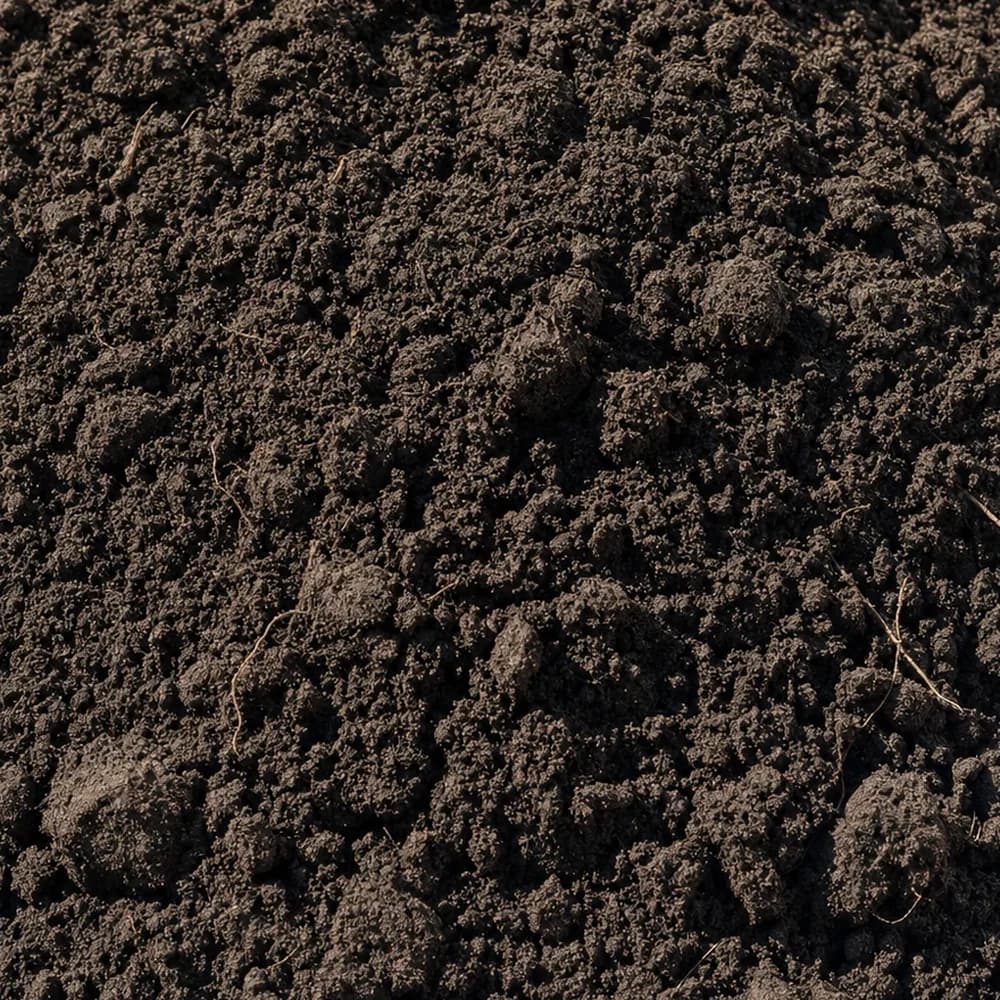
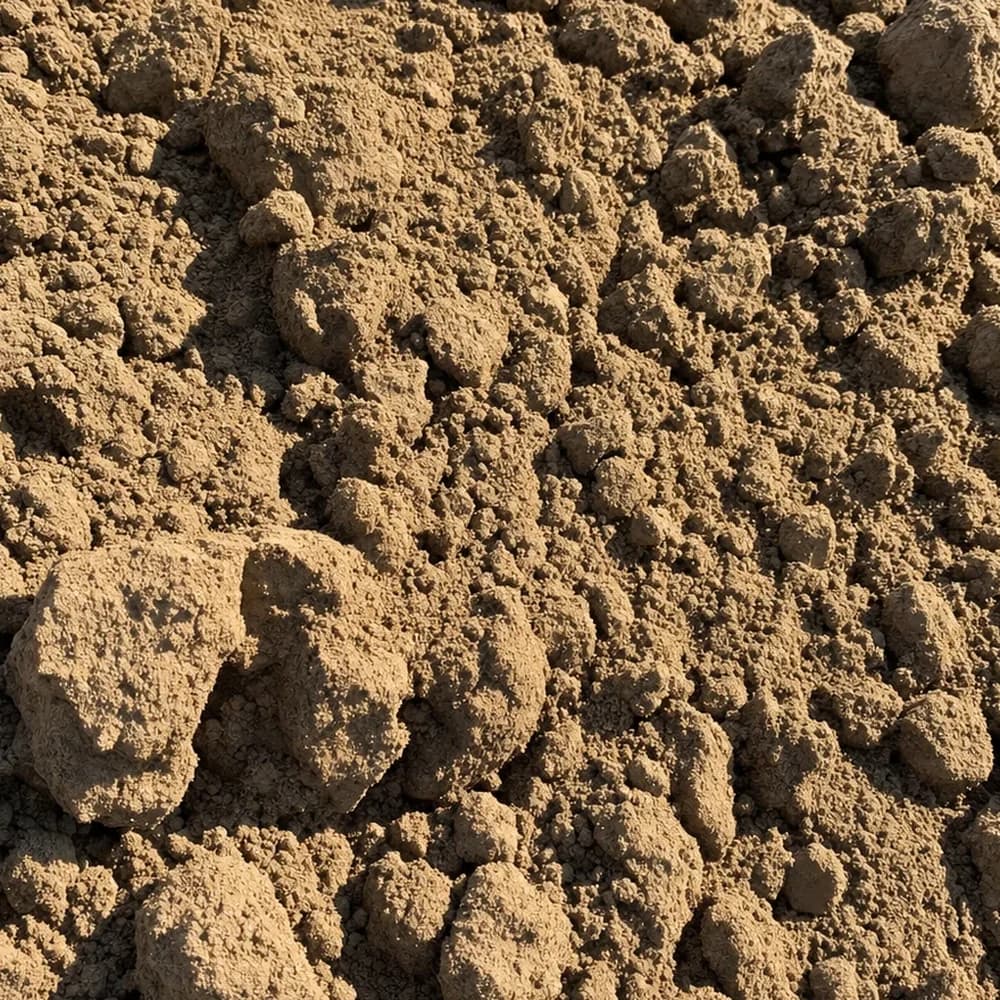
The pile that arrives is darker than the ground it is going onto, and that contrast is sharpest on an Ozark lot. Native soil there is thin, cherty clay over limestone or dolomite, pale, stony and hard on a spade. A load of garden soil is dark brown, crumbly, and it falls apart in the hand instead of forming a slick ball the way wet clay does. Pick some up and it is noticeably light for its bulk, because a good share of what you are holding is organic compost rather than mineral soil.
Garden soil in the pile: dark, crumbly and lighter than it looks
That lightness is worth registering before you order, because it changes the arithmetic. A blended garden soil runs around 2,000 lb per cubic yard on the figures this site publishes, which is about a ton per yard. Screened top soil is heavier at roughly 2,200 lb, and fill dirt heavier again. A yard of this material is a yard of planting medium, not a yard of ballast, and the number you order should be worked out in cubic yards first and converted afterwards.
The compost in the blend is doing two opposite jobs at once, which is why it suits Missouri as well as it does. It holds moisture through the dry stretch of an Ozark August, and it keeps structure open so water moves rather than sits when a June storm drops an inch in twenty minutes.
Choose it for raised beds and planting pockets in cherty ground
There are three situations where this is clearly the right buy.
Filling raised beds is the obvious one. The bed is a container and everything in it is growing medium, so a prepared blend goes straight in and gets planted without mixing separate soil, compost and amendments on a tarp first.
Planting pockets come next, and they are a particularly Missouri answer to a particularly Missouri problem. Where the native ground is chert and rock, digging a whole border is a fight. Digging individual pockets for shrubs and perennials and backfilling with a blend gets the plants established without excavating the hillside.
Renewing a tired bed is the third. Spreading a few inches across an established border that has been cropped hard for several seasons puts structure and organic matter back where the roots are, which is more useful than another bag of feed.
Skip it for new lawn prep, a garden path or a lane shoulder
Three jobs come up in the same conversation and want something else.
New lawn prep is the big one. Grass seed does not need a compost-rich blend, it needs a consistent mineral layer that grades evenly and holds a level, and across a whole yard the volume makes the choice obvious anyway. That job is Top Soil, spread and raked to grade.
A garden path wants the opposite of loose organic material. Soil on a path compacts into something that holds water, grows moss and tracks into the house. Build it properly with Walkway Gravel over a compacted bed and keep the soil in the beds either side.
Building up the shoulder of a long rural lane is the third mistake. Soil on a lane edge will gully in the first storm that runs down the wheel tracks. Raising a low shoulder is a job for Fill Dirt to get the grade, capped with a stone surfacing course where traffic crosses it.
Filling a 30 inch bed: blend at the top, cheaper material below
A deep raised bed does not need to be full of blend, and filling one entirely with it is how people end up ordering twice what they needed.
Roots that matter live in the top 12 to 18 inches of a vegetable bed. Below that, coarse fill or screened top soil does the job of taking up volume, provided it is not something that will hold water. Build in layers: a base of cheaper material, then the blend on top to the depth your crops actually use.
The one rule that matters underneath is drainage. On northern claypan and glacial till, and in Bootheel clay, water perches on a dense subsoil for months, and a bed sitting directly on that becomes a bathtub in March. Break the ground under the bed before it goes up, or give the base layer a way to drain sideways. On cherty Ozark ground the opposite is usually true and water leaves quickly, which is precisely why the compost in the blend earns its place.
Timing is simple enough. Beds go in whenever the ground is workable, which across most of the state means spring through fall. Frozen ground in midwinter and saturated ground after heavy spring rain are what hold the job up, and wheeling a heavy wheelbarrow of wet soil across a lawn in March leaves ruts that last all season.
Yards and tons for three 4 by 12 raised beds
A hypothetical build: three beds, each 4 feet by 12 feet, filled 12 inches deep.
One bed is 4 x 12, or 48 square feet, and at one foot deep that is 48 cubic feet. Three beds make 144 cubic feet. Divide by 27 and you need 5.33 cubic yards. At about 2,000 lb per cubic yard, roughly 1.00 ton per yard, that is a little over 5.3 tons.
A second example: topping an established border 30 feet long and 6 feet wide with three inches of blend. That is 180 square feet x 0.25 feet, so 45 cubic feet, or 1.67 cubic yards, which is about 1.7 tons.
Both figures are before settlement, and an organic blend settles noticeably in the first season, so a full bed will sit an inch or two lower by autumn. Order the full depth rather than short.
The soil calculator runs the same sums with depth guides and an optional five percent. Once you have your number, choose a quantity and a delivery date on this page. Delivery is worked out at checkout from your ZIP code, and the truck needs clear access to a spot where it can tip. Soil is one of the loads where the drop spot really matters: put a tarp down if the pile has to sit on a drive, and get it as close to the beds as the truck can safely reach.
Quickly Calculate How Much You Need
Material: Garden Soil
How to Measure
Measure the length and width of your project area in feet
Decide on depth in inches (2" for landscaping, 4" for driveways)
Enter the values above and we'll calculate the tonnage you need
Need help figuring out the right amount? We can help!
Call or text us at (314) 501-6558 and we'll help you calculate the right quantity for your project.
Not sure how much you need? The Soil Calculator has depth guides, coverage charts and worked examples for this material.
Frequently Asked Questions About Garden Soil
Customer Reviews
Ordered garden soil from the team, and ordering was a breeze. Delivery arrived right on schedule, which made my weekend project so much easier. Really happy with how everything turned out.
Gina L. · Kansas City, MO · Verified Buyer
Ordered garden soil from these guys, the price was fair and they kept me updated the whole time.
Nicole H. · St. Louis, MO · Verified Buyer
Had garden soil delivered right when I expected it, and the driver was really friendly. The team did a great job placing it carefully where I asked, super happy with the whole thing.
Sandra E. · Independence, MO · Verified Buyer
Needed garden soil for a few beds, and the garden soil from Missouri Rock Supply was solid material. They delivered when they said they would, and I'm really happy with how it all turned out.
Scott H. · Springfield, MO · Verified Buyer
Garden Soil has 4 verified customer reviews with an average rating of 5 out of 5.