Bulk Landscape Materials: Telling the Near Misses Apart
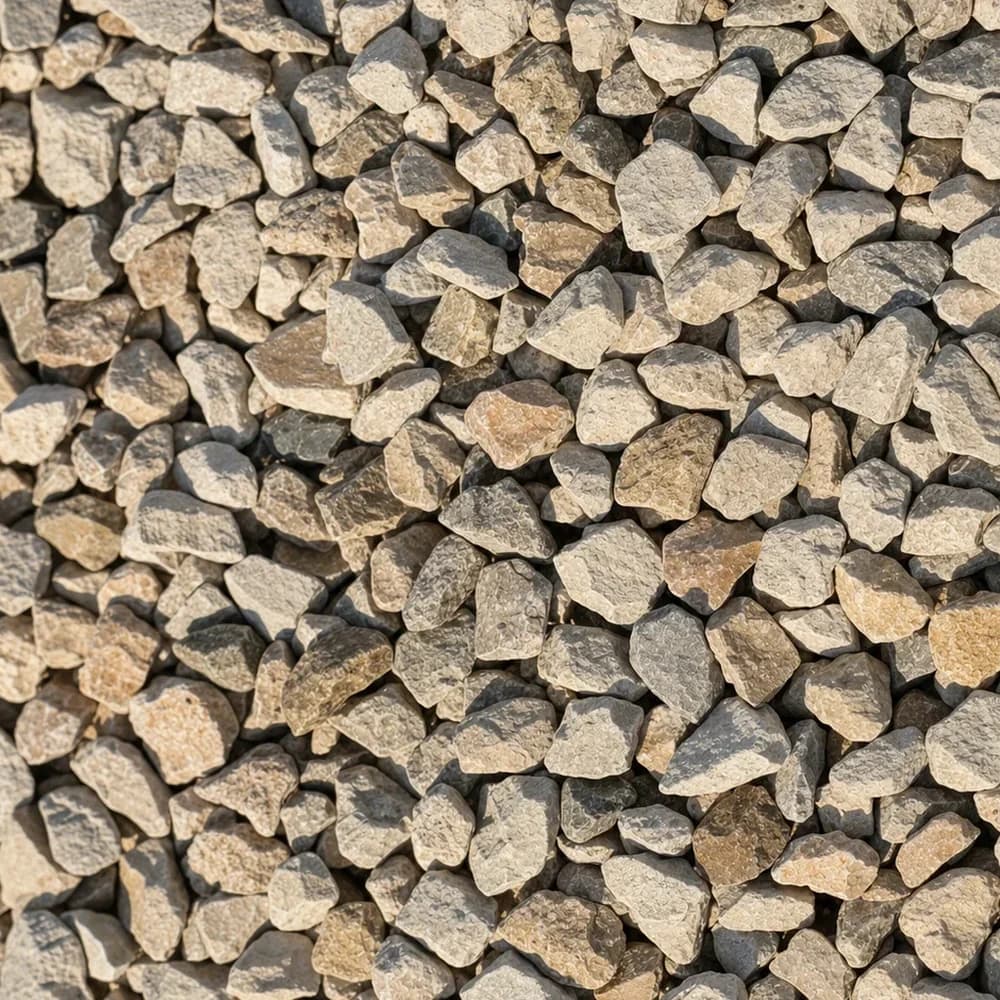
3/4" Crushed Stone
Heavy rain and seasonal frost call for a base that drains and holds together. 3/4" Crushed Stone serves Missouri driveway work. Size: Approximately 3/4 inch. Type: Angular crushed stone.
Free Delivery
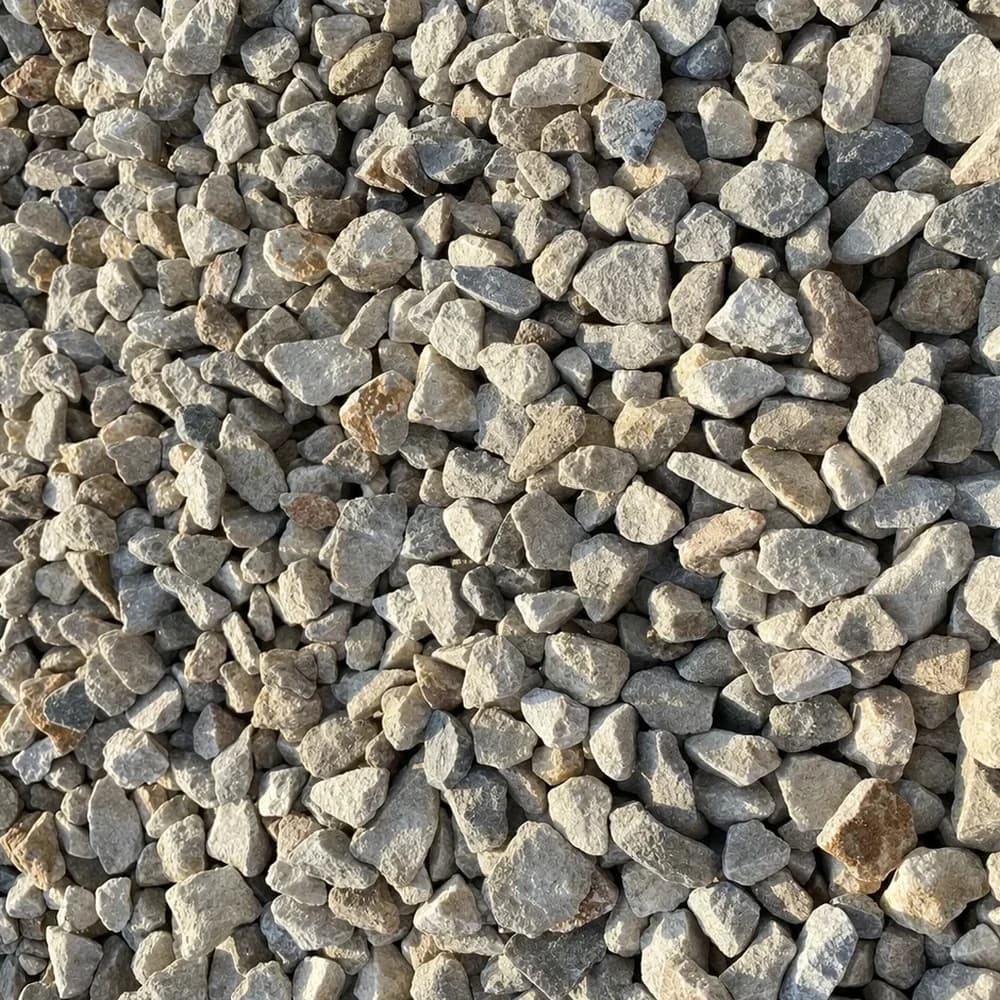
3/8" Crushed Stone
For a Missouri homeowner finishing a driveway, 3/8" Crushed Stone creates a compacted, even surface for traffic, paths, and patios. Size: Approximately 3/8 inch. Type: Angular crushed stone.
Free Delivery
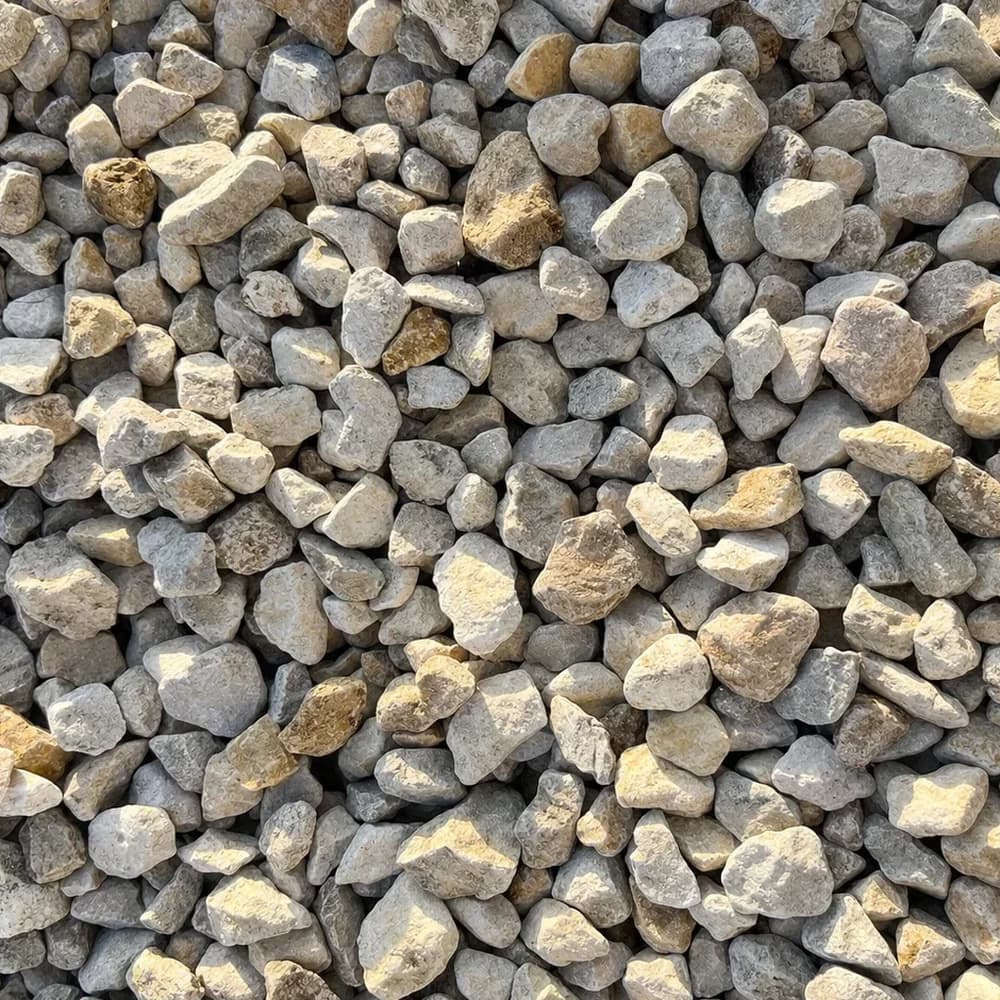
#57 Limestone
Heavy rain can move quickly through Ozark ground but linger in northern till or Bootheel alluvium. #57 Limestone serves Missouri drainage and concrete projects. Size: 3/16 inch to 1 inch. Grading: #57. Type: Angular crushed rock.
Free Delivery
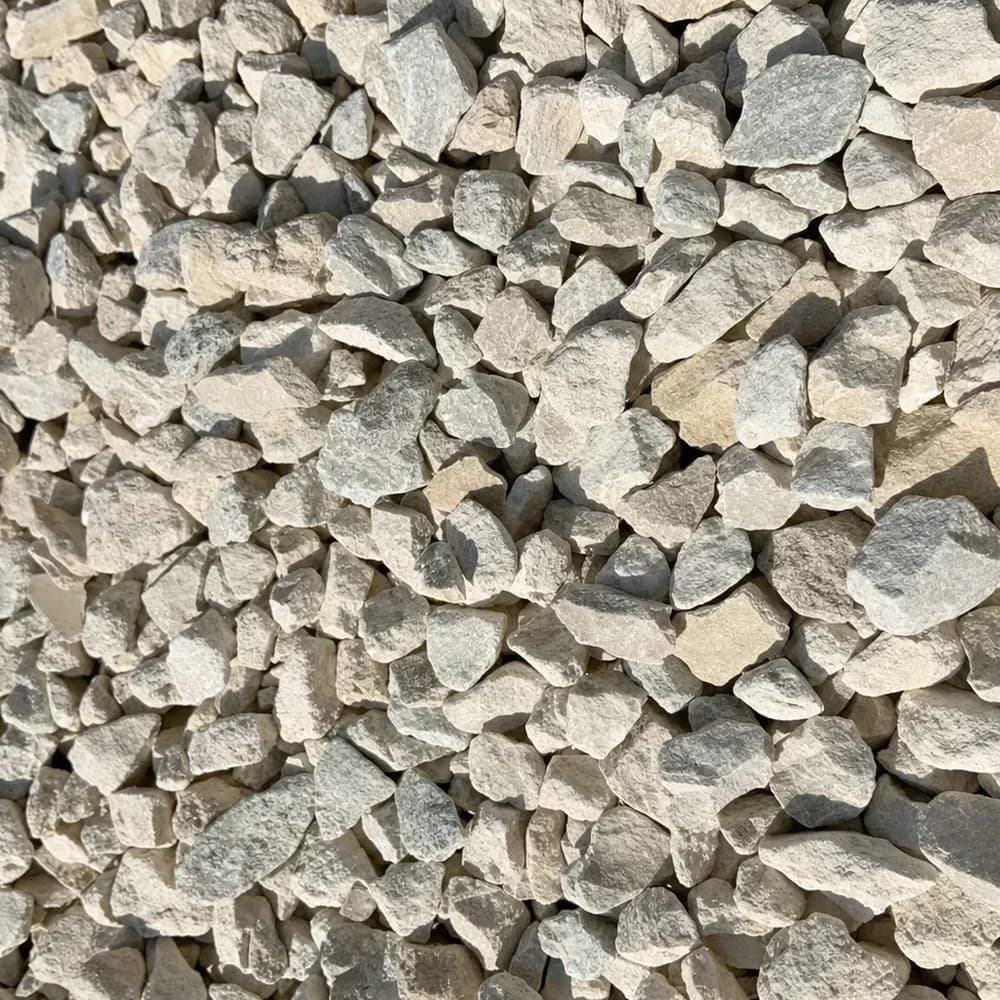
#67 Stone
#67 Stone helps move water through drainage areas while giving Missouri landscape surfaces a clean, uniform appearance. Size: 1/4 inch to 3/4 inch. Grading: #67. Type: Angular crushed stone.
Free Delivery
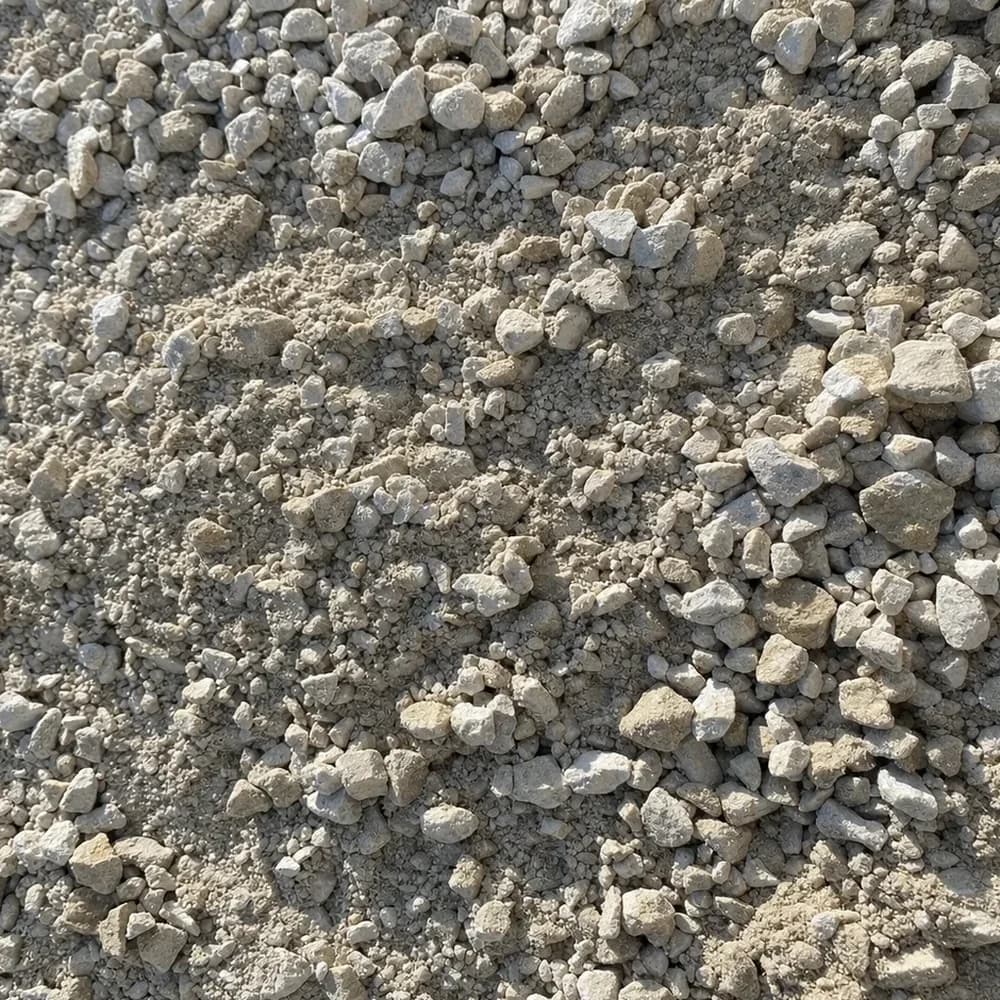
Screenings
At the top of a Missouri patio build, Screenings provide a level finish layer beneath pavers, bricks, or natural stone. Size: 1/4 inch minus. Grading: Stone dust and fine particles. Type: Angular crushed stone.
Free Delivery
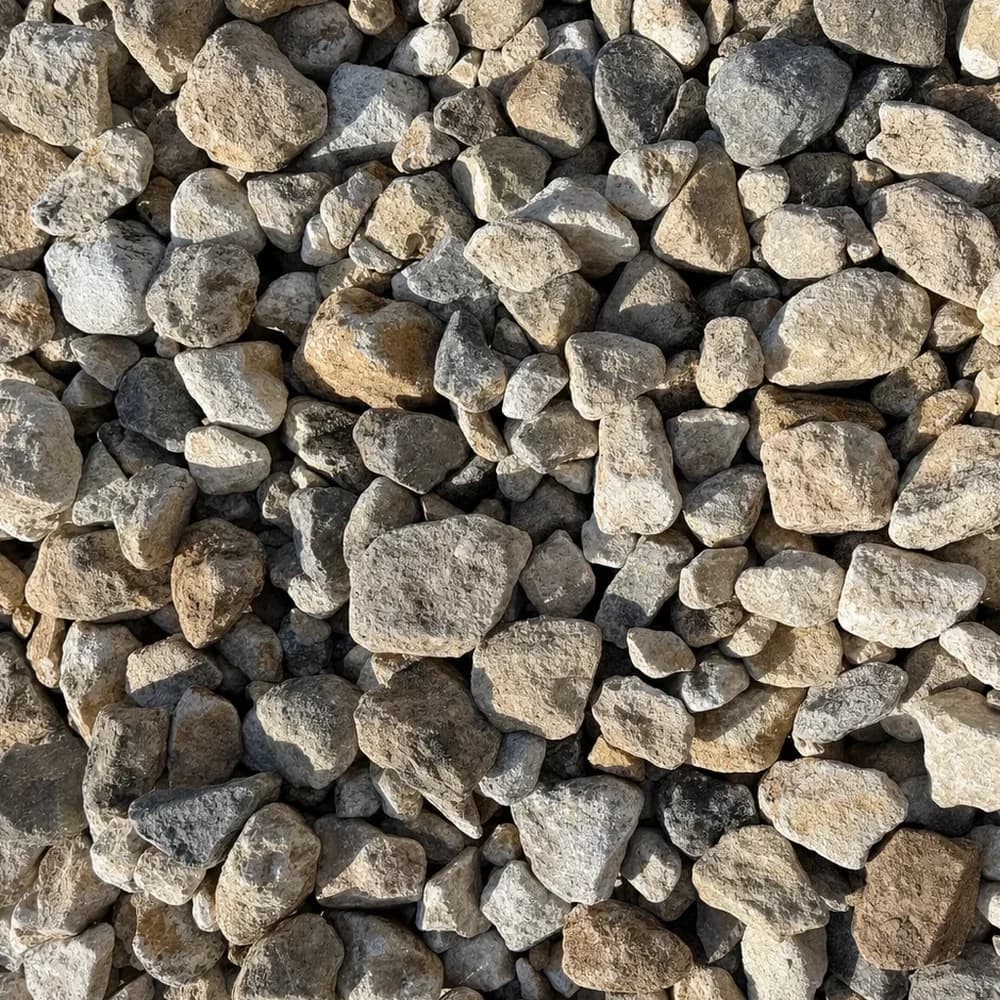
Drain Rock
Once placed, angular Drain Rock interlocks while retaining open spaces for Missouri yard drainage, wall backfill, and other water-moving work. Size: 3/4 inch to 1-1/2 inch. Grading: Washed to remove fines and dust. Type: Rounded or angular varieties.
Free Delivery
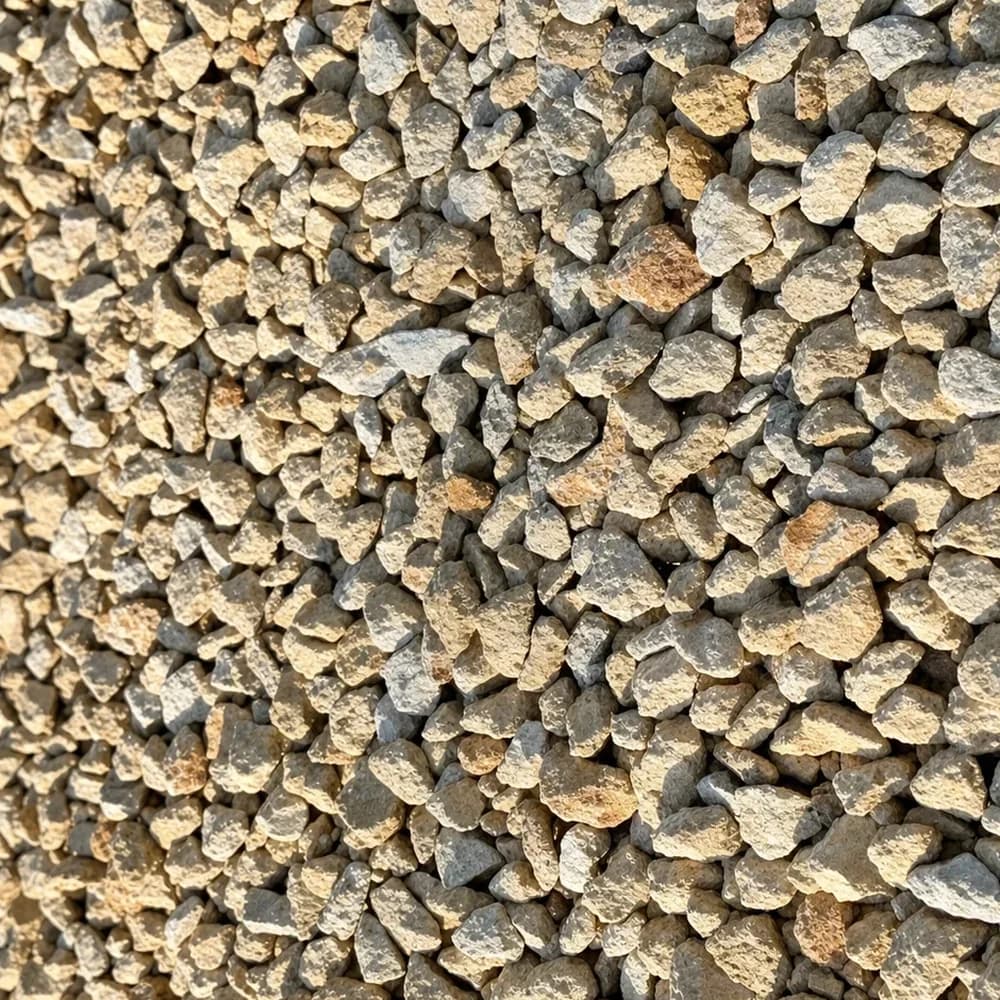
#89 Crushed Stone
Mistaking compactable stone for drainage fill causes trouble in Missouri. #89 Crushed Stone is intended for tight paver, flagstone, chip-seal, and concrete work. Size: About 3/8 inch down to fines. Grading: #89, carries some fines. Type: Angular crushed stone.
Free Delivery
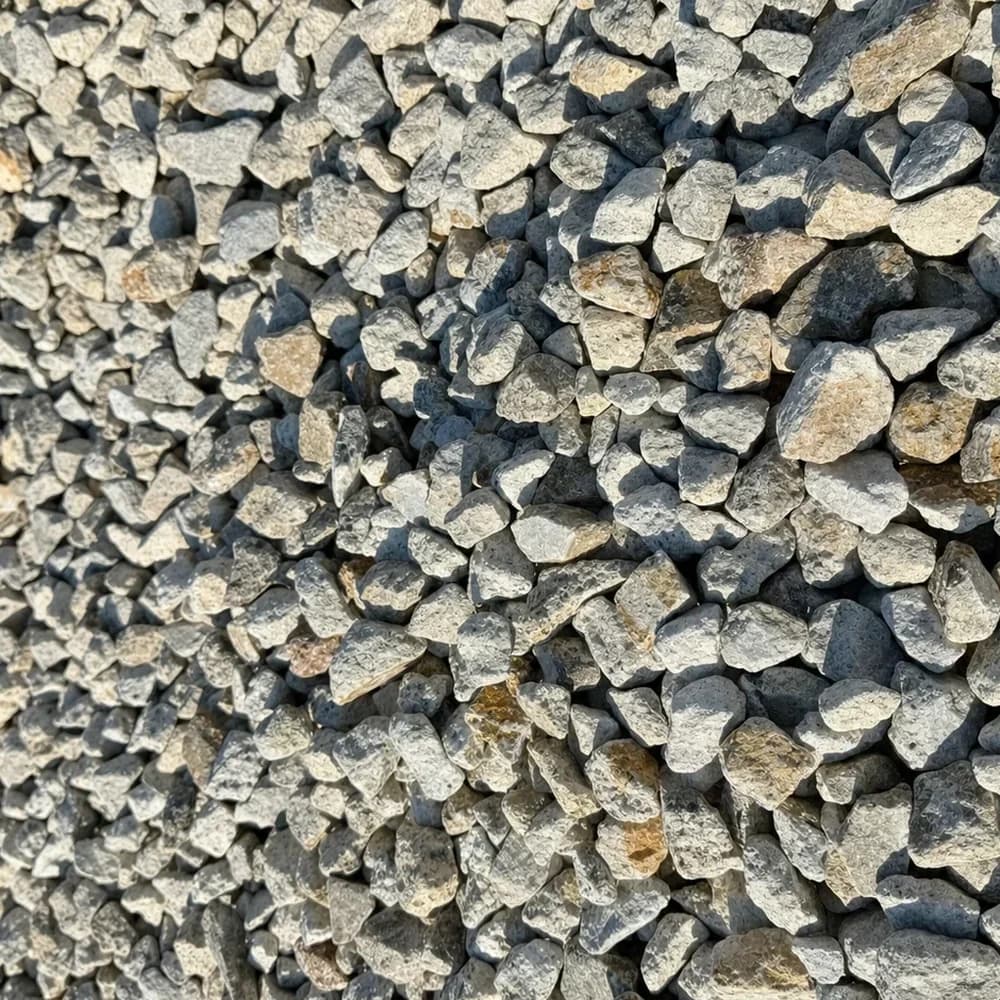
#8 Crushed Stone
Choosing stone without considering soil can leave Missouri yard drainage ineffective; #8 Crushed Stone helps water move through the detail. Size: About 3/32 inch to 3/8 inch. Grading: #8, clean with little to no fines. Type: Crushed stone.
Free Delivery
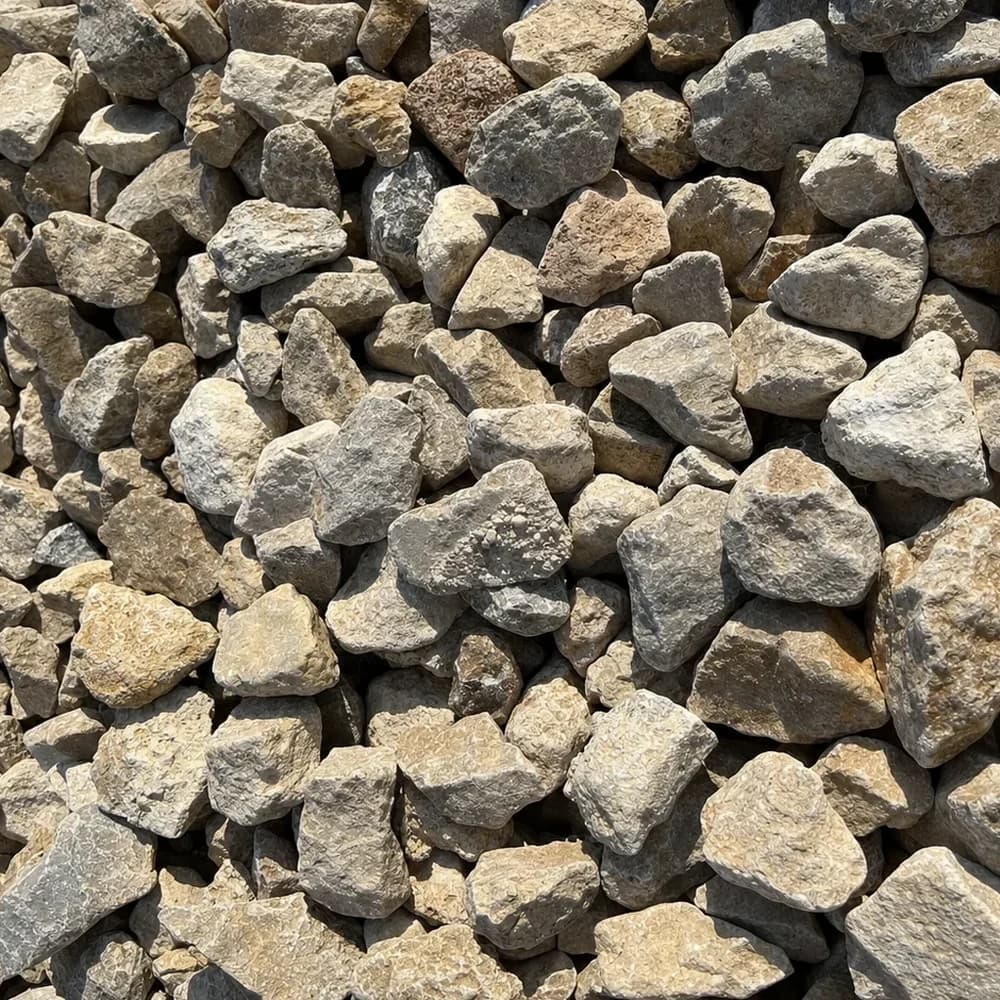
#4 Crushed Stone
On Missouri ground that changes from free-draining cherty soil to slower clay, #4 Crushed Stone gives water an open path below a driveway. Size: About 3/4 inch to 1-1/2 inches. Grading: #4. Type: Angular crushed stone.
Free Delivery
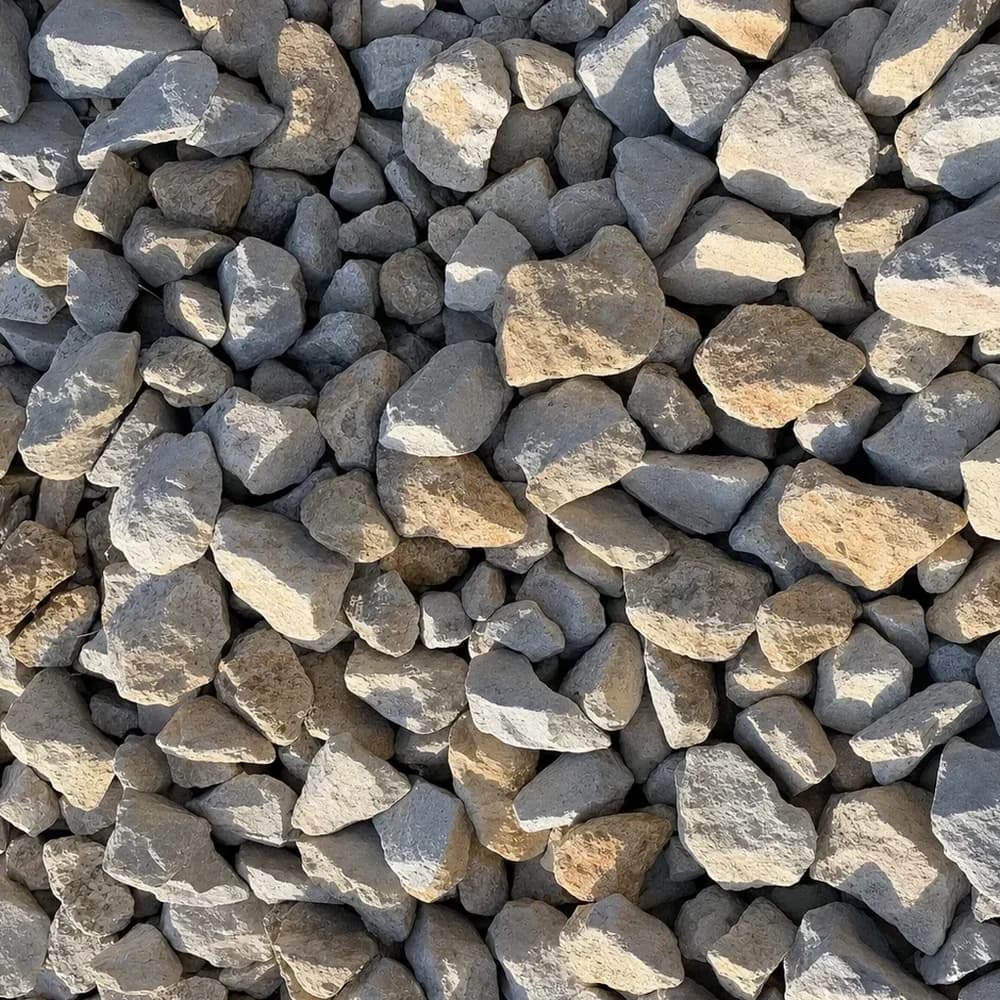
Railroad Ballast
Railroad Ballast gives Missouri work routes and heavy pads a draining stone support course where soil conditions call for drainage under load. Size: Roughly 1 inch to 2.5 inches. Grading: Graded to interlock under load while draining freely. Type: Large angular crushed stone.
Free Delivery
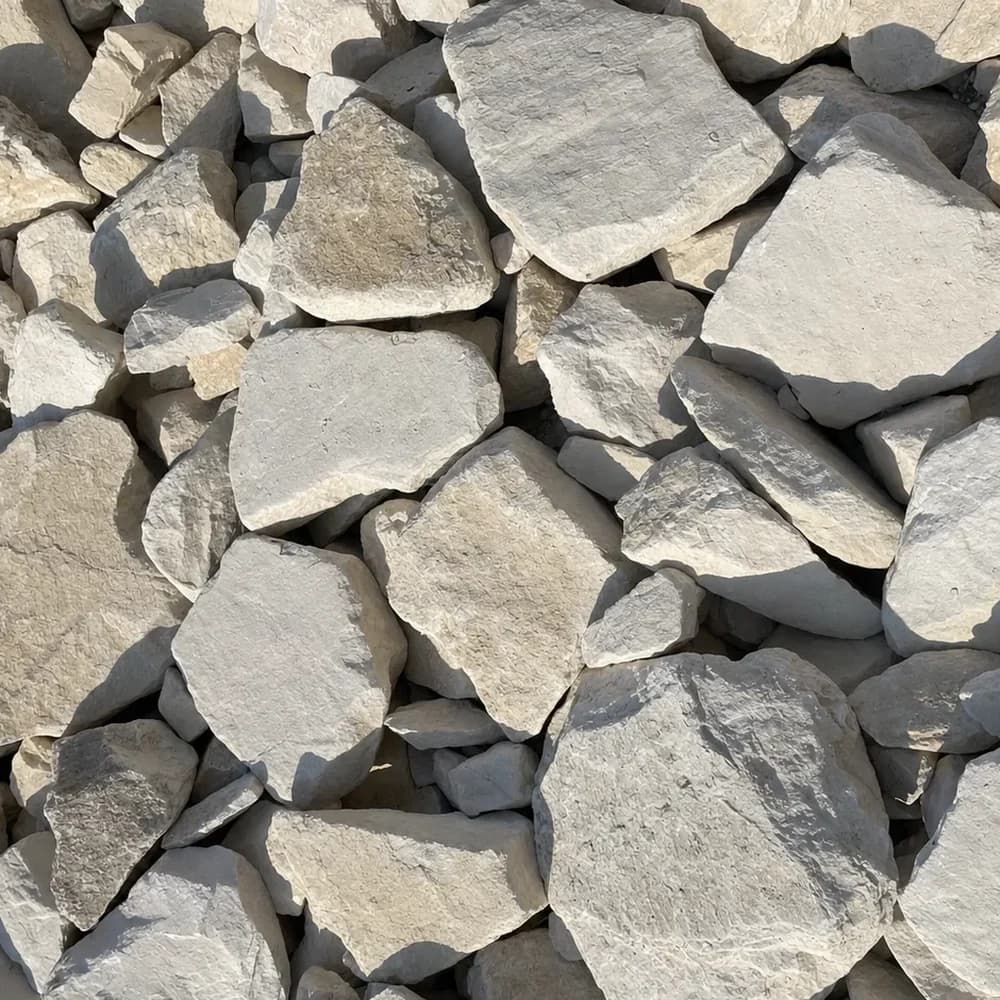
RipRap
After placement, RipRap forms a rugged, heavy cover that stays on Missouri ground where moving water threatens an exposed bank, shoreline, or runoff route. Size: 4 inches to 12 inches and up. Type: Large, heavy stone.
Free Delivery
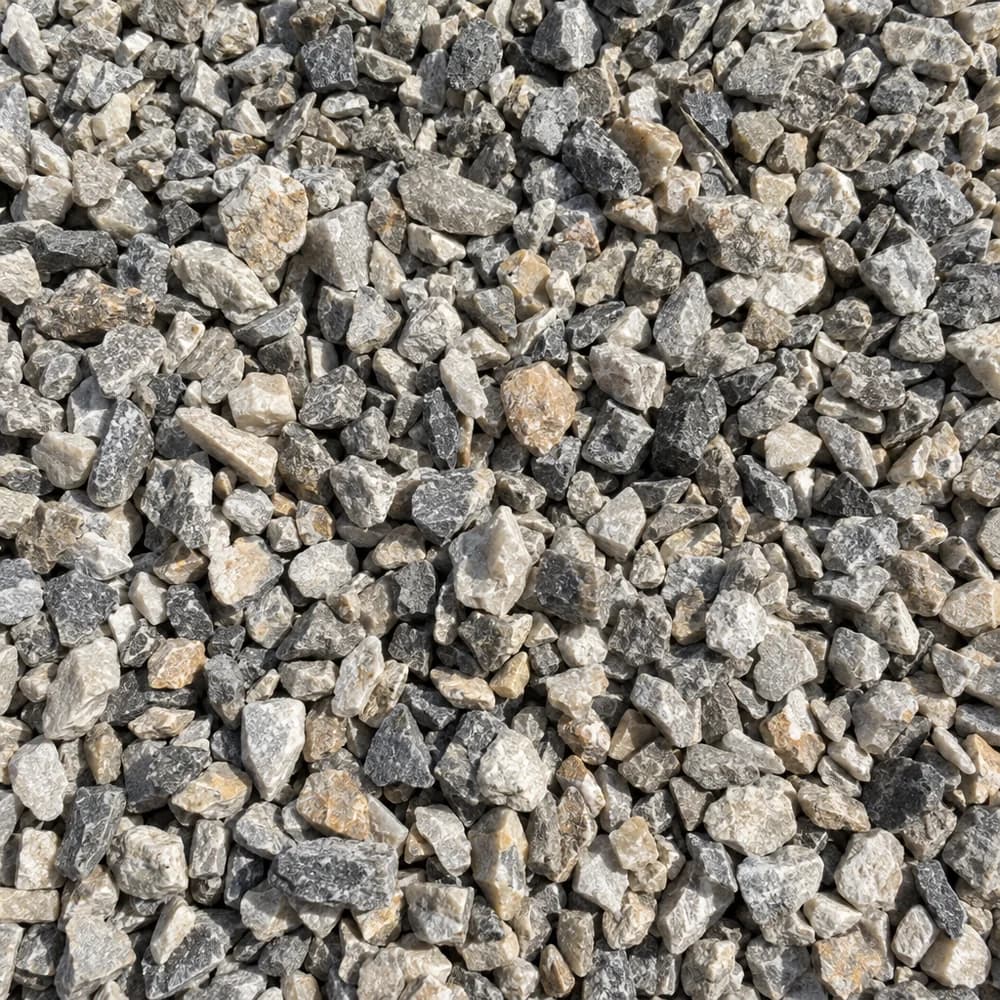
#78 Crushed Stone
At a Missouri yard-drainage project, #78 Crushed Stone gives pipe and permeable pavers a washed, open bedding layer with few fines. Size: About 1/8 inch to 1/2 inch. Grading: #78, washed with little to no fines. Type: Angular crushed stone. Supplied as: #78 or the closest local equivalent; we confirm the exact material before delivery.
Free Delivery
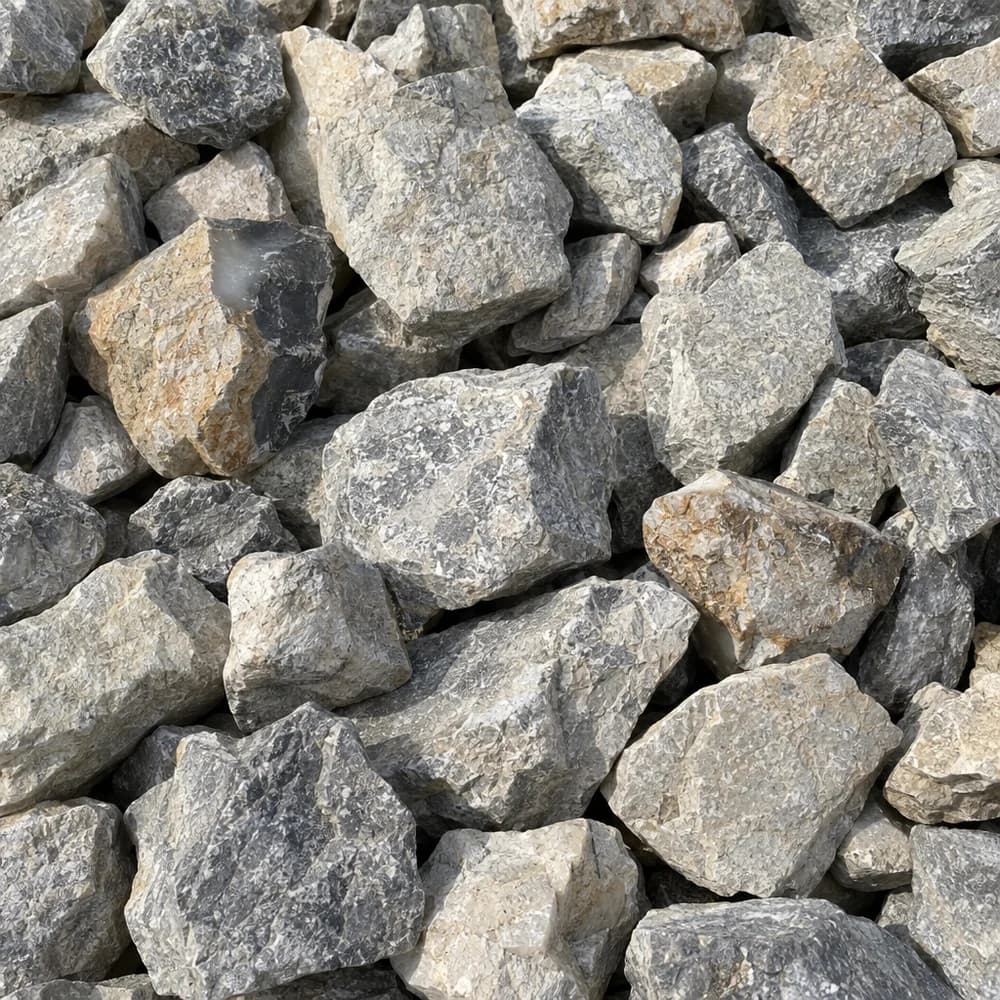
#2 Crushed Stone
After placement, #2 Crushed Stone remains open rather than forming a tight surface. Missouri projects use it where drainage below a road matters. Size: About 1-1/2 inches to 2-1/2 inches. Grading: #2, washed with no fines. Type: Large angular crushed stone. Supplied as: #2 or the closest local equivalent; we confirm the exact material before delivery.
Free Delivery
Almost nobody orders the wrong family. They order the wrong member of the right family: washed stone where a binding mix was wanted, a bedding sand where a crushed fine was wanted, fill where topsoil was wanted. On ground that swings from cherty Ozark clay to northern claypan to Bootheel silt inside one state, those near misses cost a season. Here are the pairs worth settling before you put a quantity in.
Base rock or clean rock: the fines decide it
Base rock is a 1 inch minus graded mix of crushed stone, gravel and binding fines, and it compacts into a layer a loaded truck can cross. Crusher run is the same idea at 3/4 inch minus, a tighter mix for pads and drives. Clean rock is the opposite: 1 inch clean is washed 3/16 to 1 inch angular stone with no fines at all, and 3/4 inch clean is the smaller washed size. Clean stone is for buried work, trenches, French drains, septic fields and bridging over fabric, where the voids are the product. It never sets up into a driving surface, and a binding mix never drains. Around here clean rock means washed only, so never use it for base rock or crusher run.
Driveway gravel or pea gravel on a lane
Driveway Gravel is a 3/4 inch graded crushed mix, angular enough to knit together under traffic, and it is what goes over a compacted base on a drive or a farm lane. Some quarries sell that surfacing grade as road rock by top size. Pea gravel is 3/8 inch and naturally rounded, which is exactly why it rolls under a tire and drifts to the edges. Keep it for play areas, patios and paths. For a garden route that has to stay firm underfoot, Walkway Gravel at 3/8 inch crushed is the one that packs.
Screenings or mason sand under pavers
Screenings are 1/4 inch minus crushed stone and dust, and they lock up when compacted, which makes them the leveling course over a compacted base on a patio or flagstone job. Mason Sand is ultra fine, washed and uniform, for masonry, joints and play sand. Washed Sand is the coarse one, for bedding, leveling and concrete work. Screenings are a crushed fine, not agricultural lime, and the two are not interchangeable.
Topsoil, garden soil or fill dirt in the same low spot
Top Soil is screened, balanced sand, silt and clay, and it goes in the top few inches where grass or beds have to grow. Garden Soil is a compost-enriched blend for raised beds and planting areas. Fill Dirt is compactable earth with minimal organic matter, and it is what raises a grade or fills a hole before anything else goes on. Build a low spot with fill, cap it with topsoil, and keep the garden blend for beds. They also weigh differently, which changes the order.
Rip rap or railroad ballast where water is moving
RipRap runs 4 to 12 inches and up, heavy enough to stay put where storm runoff is cutting a creek bank, a pond dam or a culvert outlet, and it is laid in a layer over a filter fabric sourced from a landscape supplier. Railroad Ballast is roughly 1 to 2.5 inch angular stone graded to interlock under load while draining, which suits a hard standing or a work route rather than a bank taking fast water. Drain Rock at 3/4 to 1-1/2 inch washed is the one for foundation drains and wall backfill.
River rock or large river rock in a dry creek bed
River Rock is 1 to 3 inch smooth, rounded stone in tans, grays and browns, for beds, borders and drainage details. Large River Rock runs 2 to 4 inches, which reads as a feature rather than a filler and holds better in a dry creek run that actually carries water after a storm. Both are decorative, not structural. Work out the tonnage for either on the river rock calculator.
The ones that do not have a twin
Six listings sit outside these pairs. #67, #8 and #89 Crushed Stone are the small washed sizes for joints and tight bedding, with 3/8 inch Crushed Stone for pipe bedding, and #4 Crushed Stone is the coarse open layer under a construction entrance. Shredded Mulch finishes the beds. Work the tonnage out on the material calculators before you set a quantity.
Common questions
The calculator gives me a figure between two loads. Should I take the higher one?
On anything that compacts, yes. Base rock and crusher run settle into a rutted subgrade and the low spots take more than the tape suggests, which is what the 10 percent box on the crusher run and road base calculators is for. On decorative stone that sits on fabric, the lower figure is usually fine.
A plan sheet calls for Type 1 base. Which product is that?
Type 1 and Type 5 are MoDOT Section 1007 designations for 1 inch dense-graded base, and Type 7 is the coarser 1-1/2 inch grade. Check the size and grading printed on the base rock page against the sheet. The designations describe how base is specified in this state rather than something certified here.
Is there a wrong time of year to put this material down?
Midwinter frozen ground and saturated ground after heavy spring rain are the two that stop work. Northern claypan and Bootheel clay stay wet from late fall into spring; Ozark ground firms up earliest. Late spring through fall is the working window for base and drive work.
How do I get a quantity for a bed that curves?
Break the curve into rectangles that do not overlap and enter them under multiple areas, which the tool adds up to five of. A round bed goes in as a circle using the widest distance across as the diameter. On a slope, run the tape along the ground rather than holding it level.